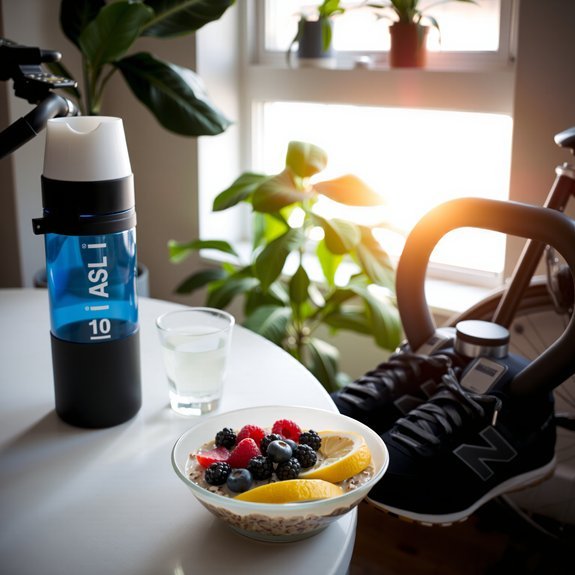

You can make most mornings noticeably more energetic by prioritizing sleep, light, hydration and brief movement. Start with consistent bedtimes, drink 200–300 ml on waking, expose yourself to bright light, and wait about an hour before caffeine. Add 5–15 minutes of brisk activity, a protein-rich breakfast, and a short breathing practice. Try these research-backed steps next.
Prioritize Consistent, High-Quality Sleep

If you want to feel energized each morning, make consistent, high-quality sleep nonnegotiable: aim for 7–9 hours on a regular schedule, go to bed and wake up within the same 30–60 minute window daily, and treat your bedroom as a cool, dark, quiet sleep zone. You’ll improve daytime alertness when you prioritize sleep consistency and support circadian alignment by keeping meal times, caffeine cutoff, and evening activities predictable. Track sleep patterns for two weeks, then adjust bedtimes by 15–30 minutes to find your ideal timing. Use brief pre-sleep routines to downregulate—for example, relaxation breathing or gentle reading—and limit screen use 30–60 minutes before lights out. If insomnia or excessive fatigue persists, consult a clinician for assessment and tailored treatment to improve sleep health safely.
Wake up Gradually With Light and Movement

Easing into morning light and gentle movement helps reset your circadian clock and reduce sleep inertia, so start with 5–15 minutes of progressive stimulation rather than a jarring alarm. Use a sunrise simulation lamp or a progressive alarm that increases light and sound gradually; evidence shows gradual exposure boosts alertness and mood more effectively than abrupt cues. When the light reaches a soft level, sit up, stretch, and do 2–3 minutes of mobility: neck rolls, hip circles, calf raises. Move slowly, focus on breathing, and notice how momentum builds without spikes in heart rate. Tailor intensity to your fitness and sleep history, and test timing across days. Track how alertness changes so you can optimize light timing and movement for sustained morning energy. Adjust as needed.
Hydrate Immediately After Waking

When you wake, drink a full glass of water to rehydrate after hours without fluids. Adding a pinch of salt or an electrolyte tablet helps restore sodium and potassium lost overnight and can reduce morning fatigue. Start with about 200–300 ml plus electrolytes if you sweat a lot or take meds, and adjust based on how you’re feeling.
Drink Water on Waking
Because you lose water overnight, start your day with a glass of plain water to restore fluid balance and help wake your brain and body. Sip slowly and aim for about 200–300 ml within 30 minutes of waking; studies link morning hydration to improved alertness and mood. Pay attention to Temperature Effects: room-temperature or slightly cool water is often better tolerated than ice-cold, which can slow gastric emptying for some people. Ignore common Hydration Myths like “you must chug a litre immediately” — gradual intake avoids discomfort and is sustainable. Make it a routine: place a glass by your bed, track progress, and tailor volume to your weight, activity level, and medical needs. Small, consistent steps sustain morning energy. Check urine color for guidance.
Include Electrolytes for Balance
Adding a small, balanced electrolyte boost to your first drink helps restore not just fluid but the salts your body lost overnight, so you rehydrate more effectively and reduce morning lightheadedness or muscle cramping. When you add electrolytes you’re supporting blood volume and nerve transmission; choose products with modest sodium and potassium and avoid excess sugars. Consider Salt Alternatives like low-sodium mineral mixes or a pinch of sea salt. Aim for Mineral Diversity by including magnesium and calcium when appropriate. Practical options include coconut water, electrolyte powders, or homemade mixes. Monitor symptoms and adjust to your activity level or medications. Discuss chronic conditions with your clinician to tailor intake safely.
- Start with low-dose sodium
- Include potassium source
- Add magnesium if needed
- Prefer low-sugar options
Use Brief Morning Exercise to Boost Alertness
Starting your day with a short, brisk bout of exercise—5 to 15 minutes of brisk walking, jumping jacks, or bodyweight moves—can reliably raise heart rate, increase circulating catecholamines, and sharpen attention within minutes. You’ll get cognitive and mood benefits from brief aerobic activity plus a couple of strength moves. Begin with dynamic stretches to mobilize joints, then alternate 30–60 seconds of higher effort and 30–60 seconds of easy recovery for three to six rounds. Add two to four power squats or plank-to-pushup reps to engage large muscle groups and boost circulation. Tailor intensity to your fitness and any medical limits; monitor breath and perceived exertion. This brief routine fits busy mornings and has measurable effects on alertness and performance. Repeat it most mornings weekly.
Choose a Balanced, Protein-Rich Breakfast
After a brief bout of morning movement, follow up with a breakfast that gives you steady energy and supports recovery. Aim for 20 to 30 g of protein to slow glucose rise, preserve muscle, and keep you focused. Include whole carbs, healthy fats, and a concentrated protein source—animal or plant proteins and fortified dairy alternatives both work. Plan simple combinations:
- Greek yogurt with berries and nuts.
- Oatmeal with pea protein powder and almond butter.
- Whole-grain toast, scrambled eggs, and avocado.
- Smoothie with silken tofu, spinach, and flax.
These choices are practical, easy to prep, and backed by research on satiety and performance. Adjust portions to your weight, activity, and preferences. Consult a dietitian if you have allergies, specific goals, or medical conditions for guidance.
Limit Early-Morning Caffeine and Time It Well
Try waiting about 60–90 minutes after waking to have your first caffeine, since your cortisol is naturally higher on waking and early intake can blunt its benefit. Time your caffeine for when you need the most focus or performance—reserve stronger doses for demanding tasks and avoid late-afternoon use that can disrupt sleep. Start with water or a low-caffeine tea, then have your coffee when you want a targeted alertness boost and adjust the amount to the task.
Delay First Cup
Because your body’s cortisol naturally peaks shortly after waking, waiting about 60–90 minutes before your first cup can make caffeine more effective and help prevent building tolerance; aim to sip your coffee once that morning surge subsides. You’ll notice alertness improves when caffeine complements, not replaces, your biology. Use a Palate Reset by drinking water or herbal tea first to rehydrate and reduce the urge for immediate caffeine. Consider a Ritual Shift: stretch, sunlight, or a brief walk to boost mood and focus before coffee.
- Rehydrate: 250–500 ml water.
- Light activity: 5–10 minute walk or stretch.
- Mindful breathing: 2–3 minutes.
- Small protein snack if needed.
This approach is practical, evidence-based, and client-centered. You’ll likely feel steadier and avoid caffeine crashes.
Match Caffeine to Tasks
When do you need your sharpest focus today? Match caffeine to tasks by timing intake to when you face demanding work rather than drinking immediately on waking. Research shows cortisol peaks on waking, so delaying caffeine can avoid blunting natural alertness and improve later performance. Use task pairing: reserve caffeine for late-morning deep work, complex decisions, or meetings that require sustained attention. Practice dose tailoring—start with a moderate dose (about 50–100 mg) and adjust based on sensitivity and sleep impact. Track effects for a week: note timing, task type, and subjective focus to refine timing. If you need an early boost, combine a small caffeine dose with light activity and protein-rich breakfast to stabilize energy without disrupting later productivity. Consult health provider if needed.
Optimize Your Morning Environment for Focus
Often, small, deliberate changes to your morning environment can sharply improve focus and cognitive performance. You’ll see gains when you prioritize an ergonomic setup and effective noise control: arrange monitor height, chair support, and minimize ambient interruptions to reduce fatigue and distraction. Aim for natural light, cool temperature, and decluttered surfaces to support sustained attention. Use tools and boundaries to protect deep work.
- Remove visual clutter — keep only task-relevant items.
- Adjust chair and screen — neutral posture for comfort.
- Manage sound — use headphones, white noise, or quiet hours.
- Schedule quick shifts — block uninterrupted time for priority tasks.
Measure what works: track productivity and adjust environment based on what objectively improves your focus. Iterate weekly and ask for feedback from teammates regularly.
Practice a Short Mindfulness or Breathing Routine
After you set up a focused workspace, adding a short mindfulness or breathing routine helps consolidate attention and lower physiological stress. Spend three to five minutes doing a simple practice tailored to your needs. Try Box Breathing: inhale four counts, hold four, exhale four, hold four; repeat four cycles to reduce heart rate and improve focus. If sensations distract you, use Sensory Noticing: name one sound, one texture, one scent to anchor attention without judgment. Keep posture upright, breathe through the nose, and set a gentle timer. Notice effects on alertness and adjust length over days. These brief, evidence-based practices fit into busy mornings, so you can reset quickly and maintain steady energy for the next work period. Track what helps you most daily.
Plan and Prioritize Your Morning Tasks
How will you use your peak energy this morning? Begin by identifying one high-impact task and two supporting tasks; evidence shows focused work improves efficiency. Prioritize by importance and required concentration, then schedule using Time blocking so you’ll protect uninterrupted intervals. Use Task batching for similar low-focus activities to reduce context switching.
- Define your top priority and desired outcome.
- Block a 60–90 minute deep-work slot early.
- Batch emails, calls, and admin into a single later block.
- Review and adjust the plan after the first block.
This client-centered approach helps you match effort to energy, minimizes decision fatigue, and gives measurable progress each morning. Track outcomes weekly to refine scheduling and keep strategies aligned with your goals for sustained morning energy.
Use Small Energy-Boosting Habits Throughout the Morning
Start with a few low-effort, evidence-backed habits you can do repeatedly to sustain alertness: drink a glass of water to rehydrate, get 5–10 minutes of light movement or stretching to raise circulation, and expose yourself to bright light or natural daylight to cue your circadian system. Then add micro-habits: chew gum for mild cognitive boost and mobility breaks every 30–60 minutes. Use upbeat music tempo to raise arousal during tasks and switch to calmer tracks for focus. Track what helps you feel alert and repeat effective combos. The table below helps you pair actions with expected effect so you can tailor routines to your needs.
| Habit | Expected effect |
|---|---|
| Water + stretch | Faster wakefulness |
| Chewing gum + tempo music | Increased focus |
Adjust based on feedback.






Leave a Comment