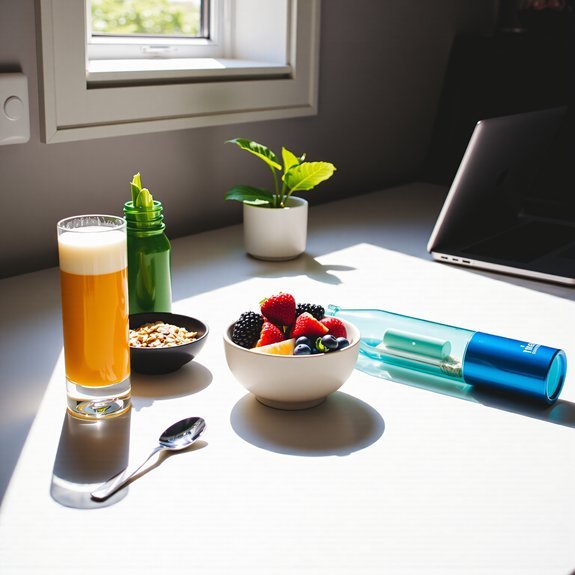

You can feel more awake and steady all day without radical changes. Small, evidence-backed shifts to sleep, meals, movement, caffeine timing, and stress recovery add up. I’ll share practical, compassionate steps that fit a busy life and help prevent midafternoon crashes. Keep going — the plan’s easy to start and designed to produce real, lasting improvements.
Optimize Sleep for Sustained Energy

Prioritizing sleep gives you a reliable foundation for energy: aim for consistent sleep and wake times and target 7–9 hours most nights, since research links regular sleep patterns and sufficient duration to better daytime alertness and mood. You can strengthen circadian alignment by dimming lights a couple hours before bed, keeping mornings bright, and keeping schedules steady even on weekends. Improve sleep architecture with a cool, dark bedroom, limiting late caffeine, and winding down with brief relaxation—progressive muscle relaxation or guided breathing work well. If you still feel fatigued, track sleep and daytime symptoms for two weeks and share them with a clinician; you might need assessment for insomnia, sleep apnea, or circadian rhythm disorders. Small, consistent changes yield measurable gains and build resilience.
Eat for Stable Blood Sugar and Lasting Focus

To keep your blood sugar steady and your focus sharp, pair a source of protein with carbohydrates at each meal or snack. Favor low-glycemic options like whole grains, legumes, and nonstarchy vegetables so glucose rises more gradually. Also prioritize fiber-rich choices—fruits with skin, beans, seeds, and whole vegetables—to slow absorption and help you feel satisfied longer.
Pair Protein With Carbs
Pairing protein with carbohydrates slows glucose absorption and helps you avoid the sharp blood sugar spikes and crashes that sap focus. Use Cultural pairings and Texture combinations to make meals appealing.
- Yogurt, fruit, and nuts
- Hummus, pita, and veggies
- Cheese with apple slices
- Turkey roll-ups with whole-grain crackers
Aim for a palm-sized protein and a cupped-hand of carbs to steady energy. Prepare snacks ahead so you don’t grab sugary options. Evidence shows mixed meals blunt post-meal glucose rises, improving attention and mood. You’ll feel steadier and less prone to midafternoon dips. Choose lean protein sources and whole foods you enjoy so this pattern feels doable and sustainable in daily life. Small habits compound into lasting energy. Try it today.
Choose Low-Glycemic Foods
When you choose low‑glycemic foods, you give your body a steadier stream of glucose that helps prevent the spikes and crashes that wreck focus. Choose whole grains, legumes, and minimally processed fruits and dairy; studies show they produce slower glucose rises than refined carbs. Don’t buy into common glycemic myths — cooking methods, ripeness, and portion size change responses, so context matters more than a single index number. Aim for balanced plates with modest portions, and test what works: note how different meals affect your energy over a few hours. If you use convenience products, read labels for added sugars and refined flours. Be kind to yourself: shifting habits takes time, and small, consistent choices produce the most reliable improvements and celebrate small progress.
Prioritize Fiber-Rich Choices
Many people do best when they prioritize fiber-rich foods because fiber slows glucose absorption, blunts post-meal spikes, and helps you feel full and focused for longer. Choose whole grains, vegetables, and fruits to stabilize energy; research links higher fiber intake to better glycemic control and satiety. Use a Legume guide to add beans, lentils and chickpeas — they deliver protein plus soluble fiber. Note Berry benefits: berries add antioxidants and fiber with low sugar impact, ideal for snacks. Plan meals that combine fiber with protein and healthy fats to extend focus. If you struggle with digestion, increase fiber gradually and hydrate. Here are practical options to try:
- Oats, chia, nuts
- Mixed berry bowl
- Lentil salad
- Whole-grain wrap
Start small daily.
Move to Boost Alertness and Circulation

Moving a little every hour can quickly lift your alertness and get blood flowing to your brain and muscles. Stand, reach, and rotate your shoulders for 30 to 60 seconds to reverse stiffness; simple desk stretches improve posture and circulation without disrupting work. Schedule short walk breaks, five to ten minutes, to increase oxygen delivery and reset focus. If you sit for long periods, change positions often: stand during calls, use a standing desk intermittently, or march in place. Aim for a gentle rhythm rather than intense exertion; research links frequent low-intensity movement to better attention and mood. Be realistic: set timers, pair movement with routine tasks, and choose actions that feel achievable. Small, consistent efforts reduce fatigue and protect long-term energy. Daily upkeep.
Use Caffeine Strategically and Safely
You can boost alertness by timing caffeine—wait until mid‑morning or after your first natural wakefulness peak so it supplements rather than blunts your cortisol rhythm. Keep total intake within recommended limits (about 400 mg a day for most adults) and cut back if you get jitters, a racing heart, or disrupted sleep. If you’re pregnant, breastfeeding, on medications, or caffeine‑sensitive, check with your clinician and choose lower doses or decaf to stay safe.
Time Your Caffeine
In the morning, aim to have your first caffeinated drink about 60–90 minutes after waking so caffeine boosts alertness without blunting your natural cortisol peak. Time caffeine to support tasks: save a later cup before low-energy lulls or meetings that need focus. If you plan deep creative work, align caffeine with your creative peaks; for routine tasks, delay it. Track how long caffeine lasts for you and schedule drinks to avoid late-afternoon interference with sleep. Be gentle with yourself as you experiment and adjust.
- Pre-meeting timing: sip 30–45 minutes before a meeting for sharper attention.
- Creative peaks: drink when you expect your ideation window.
- Short naps: combine caffeine with a brief nap when possible.
- Routine check-ins: avoid habit sipping—use it purposefully.
Know Safe Limits
Because tolerance and risk vary, treat caffeine like a drug with recommended limits: most healthy adults should keep total intake around or below 400 mg per day (roughly four 8‑oz cups of brewed coffee), pregnant people should aim for under 200 mg, and adolescents should limit to about 100 mg. You’ll also consider medication thresholds—some prescriptions and over‑the‑counter drugs interact with caffeine, raising heart rate or anxiety, so check labels or ask your clinician. Respect alcohol guidelines: mixing caffeine with alcohol masks intoxication and increases risk. Time doses to avoid late‑day sleep disruption, and reduce intake if you notice jitteriness, palpitations, or insomnia. When in doubt, err on the side of lower intake and seek personalized advice from a healthcare professional for added safety.
Build Microhabits to Prevent Energy Crashes
Building tiny, consistent habits—like standing for two minutes each hour, sipping water regularly, taking a 60-second breath break, or choosing a small protein-rich snack—keeps your blood sugar, hydration, and attention steadier throughout the day. Use habit stacking to attach microhabits to existing cues (after a meeting, before a coffee). Set decision limits so you don’t waste energy choosing actions; preselect snacks and movement windows. Track progress briefly to reinforce and adjust frequency. Be gentle and curious: small steps compound more than one large push. Examples:
- Stand two minutes every hour—use a timer.
- Sip a small glass of water after bathroom breaks.
- Do a 60-second focused breath before switching tasks.
- Keep two protein-rich snacks and eat one at the first dip.
Manage Stress and Recovery to Maintain Stamina
When you manage stress and prioritize recovery, you protect your energy reserves and sustain performance across the day. Use short breaks, sleep consistency, and targeted recovery to reduce allostatic load; studies show even brief naps and progressive muscle relaxation restore stamina. Practice breathwork techniques—box breathing or 4-4-4—when tension rises. Seek social support to share burdens and increase resilience. Monitor workload and set boundaries; prioritize light movement and hydration between tasks.
| Strategy | Quick Action |
|---|---|
| Breathwork techniques | 2–5 minutes, several times daily |
| Sleep hygiene | Regular schedule, wind-down routine |
| Social support | Brief check-ins, ask for help |
| Active recovery | Walks, mobility, gentle stretching |
Start small, track what helps, and adjust plans—you’ll rebuild stamina sustainably without guilt; professional support is appropriate if stress stays high. Seek care early, always.
Design Your Environment and Tech for Consistent Energy
Managing stress and prioritizing recovery lays the groundwork, but your surroundings and the devices you use often determine whether that energy holds up through the day. You can boost focus by engineering an Ergonomic Workspace and practicing Notification Management.
- Adjust chair, monitor, and lighting
- Batch alerts; schedule check-in windows
- Add natural light, plants, and stable temperature
- Set device curfews; use do-not-disturb
These evidence-based, practical, compassionate steps respect your limits and help you maintain consistent energy without burning out. Track small wins and adjust your setup weekly for measurable gains. Measure outcomes: note energy patterns after changes, and iterate—small adjustments often yield durable improvements in alertness, productivity, and wellbeing when you consistently refine both physical and digital aspects of your day every week or month.






Leave a Comment