

You can design a morning that actually works by starting small, picking two enjoyable anchors—like water and a short stretch—preparing the night before, and aligning timing with your chronotype. This guide gives clear steps, tools, and ways to stay consistent for busy households, plus one unexpected tweak that changes everything.
Why Personalized Routines Beat “Perfect” Mornings
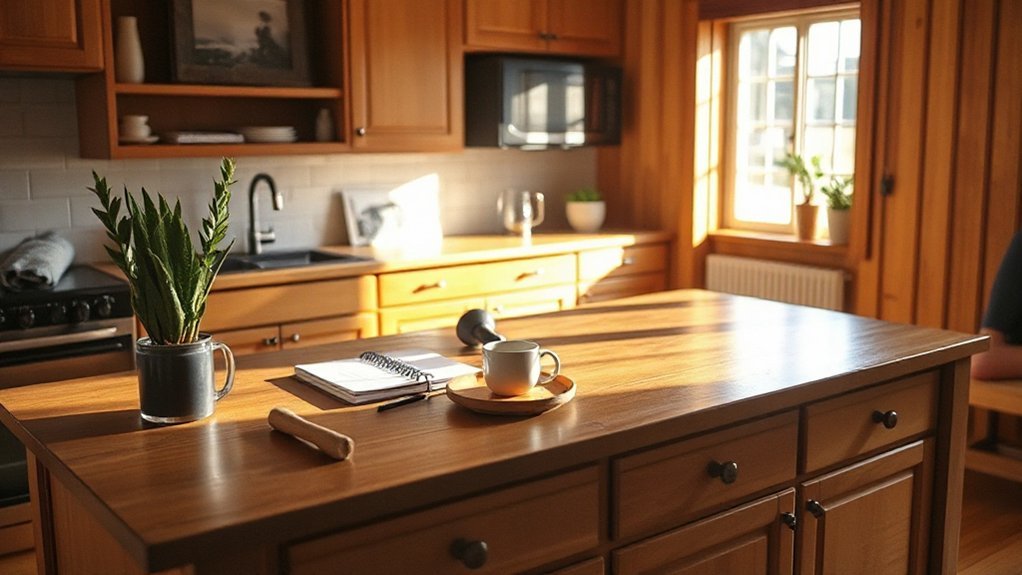
Although a flawless morning sounds appealing, you’ll get farther by tailoring routines to your life than chasing an ideal you can’t sustain. You start by listing what matters—energy, focus, connection—and match small actions to those priorities. Choose two anchor habits you enjoy and can do reliably; that habit personalization prevents burnout and boosts momentum. Set clear time blocks, not rigid rules, so adjustments fit real days. Track progress weekly and tweak based on results and values alignment, dropping what drains you and leaning into what energizes you. Use simple cues—location, time, or an existing habit—to trigger each step. Keep iterations short: test for two weeks, evaluate, then refine. That’s how practical mornings stick. Celebrate small wins daily to reinforce behavior and build confidence consistently.
How Sleep Shapes Your Morning

Personalized routines only work if your sleep supports them, because how you slept shapes your energy, mood, and focus the moment you wake. Start by auditing your Sleep Architecture: note bed and wake times, sleep stages, and interruptions for two weeks. Use that data to set consistent sleep windows that align with your natural rhythm. Improve sleep quality by minimizing light, reducing late caffeine, and keeping temperature cool so you wake less groggy. Track Dream Recall briefly to detect stress or unsettled nights; vivid dreams can signal fragmented sleep that undermines morning clarity. Each morning, review how last night’s sleep felt, adjust bedtime or evening habits, and test changes for a week. Treat sleep as the foundation—you’ll build a morning that actually works consistently.
Quick Wins: 10-Minute Morning Habits

You can transform your morning in 10 minutes by drinking a glass of water and doing a quick full‑body stretch to wake your body. Spend two minutes on focused breathing or a simple mindfulness check to calm your mind. Then pick one priority for the day and write it down to steer your energy and decisions.
Hydrate and Stretch
Starting your day with a glass of water and a five-minute full-body stretch jumpstarts circulation and focus, and it only takes ten minutes. Drink water immediately for an electrolyte boost if you sweat or had alcohol; add a pinch of salt or a squeeze of lemon. Move through neck rolls, shoulder circles, cat-cow, hip openers and hamstring reaches to restore joint mobility and wake muscles. Follow a simple sequence: breathe deep, move slowly, repeat twice. Use the table below as your quick checklist.
| Step | Action |
|---|---|
| Hydrate | 250–350 ml water; optional salt/lemon |
| Stretch | 5 minutes: neck, shoulders, hips, hamstrings |
Repeat daily and increase duration gradually to build consistency and reduce stiffness. Track progress and celebrate small wins. You’ll feel steadier, more alert, and ready today.
Two-Minute Mindfulness
After hydrating and stretching, add a two-minute mindfulness practice to lock in calm and sharpen focus. Sit or stand tall. Close your eyes and take six slow breaths, then begin Breath Counting: inhale, count “one,” exhale; continue to five and restart if mind wanders. Keep the count gentle—no pressure. At minute one, shift into a quick Sensory Scan: note three sounds, two tactile sensations, one smell or taste. Name them silently to anchor attention. If thoughts pull you, return to breath and restart counting. Finish with a full inhale and intentional exhale, open your eyes, and smile. Repeat daily to build momentum; this compact routine resets stress, centers attention, and primes you for productive action. Commit two minutes and watch clarity accumulate over weeks.
Plan One Priority
When you give yourself ten focused minutes each morning, choose one clear, high-impact task and commit to completing a defined micro-step. Start with Priority Mapping: list three possible wins, rank them by impact and effort, and pick the top item. Set One Intent — a concise sentence describing the micro-step and desired outcome. Use a timer, remove distractions, and break the micro-step into two concrete actions. Execute the first action immediately; use the remaining minutes to finish the second. Celebrate completion with a brief inhale and acknowledgement. Repeat tomorrow, adjusting Priority Mapping based on progress. This ritual trains focus, creates momentum, and turns small wins into measurable progress you can build on daily. Over weeks, these daily micro-steps compound into meaningful, lasting habits consistently.
Designing a Routine Around Your Chronotype
Start by identifying your chronotype—lark, owl, or in-between—so you know when you’re naturally most alert. Then sync your routine with those natural rhythms by aligning wake times, light exposure, and activity intensity to reinforce your internal clock. Finally, schedule focused peak-performance blocks during your highest-energy windows and protect them from interruptions.
Identify Your Chronotype
Ever wondered whether you’re naturally a morning lark, a night owl, or somewhere in between? Start by tracking sleep-wake times for two weeks, noting when you feel most alert and when you drag. Use simple quizzes or apps to estimate chronotype; they reflect tendencies influenced by genetic markers and hormone profiles. Record energy peaks, preferred bed and wake times, and how long you take to fall asleep. Analyze patterns: early peaks suggest a lark, late peaks an owl, middle peaks an intermediate. Set one clear adjustment goal—shift bed or wake by 15–30 minutes weekly until your routine fits your natural rhythm. Celebrate small wins, adjust based on weekdays versus weekends, and commit to routines that match your diagnosed chronotype. You’ll feel more focused daily.
Sync With Natural Rhythms
Because your body already signals its strongest windows, design your morning around those peaks: wake and get bright light at your natural alert time, do your most demanding work or high-intensity exercise during that peak, schedule routine admin or low-focus tasks for energy dips, and use a gentle buffer (hydration, movement, short mindfulness) to bridge sleep to activity.
Identify your chronotype, then set anchors: light, movement, meal timing and a consistent wake. Adjust for seasonal shifts—shift light exposure earlier in winter, later in summer. Use the table to map simple actions.
| Peak window | Action |
|---|---|
| Alert | High-focus task or intense workout |
| Dip | Routine admin, short walk |
| Buffer | Hydrate, stretch, 5-min mindfulness |
| Meal | Time protein-rich breakfast within 60 min |
Follow this pattern for steady energy and mornings.
Schedule Peak Performance Blocks
Now that you’ve aligned light, movement and meals to your chronotype, map out 1–3 protected peak blocks each day that match your alert windows. Identify your strongest hour(s) — morning, midday or evening — and reserve them for deep work. Structure each block into focus intervals (e.g., 50/10) and pick one priority task per interval. Block time on your calendar and enforce meeting curation: limit calls to outside peak windows and batch collaborative sessions. Use a pre-block ritual — brief review, set a timer, remove distractions — to enter flow quickly. Track outcomes for two weeks, then adjust block length and timing. Protect these slots jealously; they’re where momentum, clarity and meaningful progress live. Share your peak schedule with teammates and automate daily notifications to defend uninterrupted time.
Morning Strategies for Parents and Caregivers
When mornings feel chaotic, set a predictable, simple routine you can actually follow: pick three non-negotiables (wake time, breakfast, out-the-door), prep the night before (bags, clothes, lunches), and assign clear roles so everyone knows what to do. Start by listing tasks and assigning shared responsibilities by person and time block. Create short, repeatable handoff rituals—5-minute check-ins, visual cues, and a quick tidy—to reduce friction. Keep mornings focused: one task per person, no multitasking. Build margin: add ten extra minutes for delays. Practice the routine for a week, then refine one element at a time. Celebrate small wins to build momentum. You’ll find calmer starts, clearer expectations, and more energy for your day. Adjust roles seasonally as kids’ ages and schedules evolve, stay flexible always.
Tools and Environment Tweaks to Own Your Morning
Set up simple, purposeful tweaks to your space so mornings run on autopilot: create dedicated stations (breakfast, backpacks, shoes), add visual cues (labels, hooks, a family whiteboard with out-the-door checklist), and use small tools—timers, smart plugs for coffee, bedside charging docks—to eliminate decision friction. Next, audit clutter: clear a 30-second path from bed to door, keep shoes and keys visible, and relocate items that slow you down. Tune your lighting setup to mimic daylight — programmable lamps or smart bulbs reduce grogginess and speed waking. Build a compact coffee station with pre-measured beans, a mug rack, and a timer-based brewer. Keep surfaces minimal, routines obvious, and adjustments tiny so the environment does the heavy lifting for you each morning, and celebrate small daily wins too.
How to Build Consistency Without Pressure
You’ve made your mornings easier by shaping the space—now turn that autopilot into a steady habit without piling on pressure. Start with tiny commitments you can’t refuse: one minute of breathwork, two stretches, or a glass of water. Track progress visibly and reward small wins. Use gentle accountability—pair with a friend, set a reminder that feels supportive, or log streaks for motivation. If you miss a day, reset tomorrow without judgment. Build upward with a weekly bonus slot for a longer ritual. Visualize the routine as a series of tiny, linked actions that become effortless over time. Celebrate consistency over perfection; small cycles compound into months of reliable mornings that serve your goals and boost peace.
- One-minute breath
- Two simple stretches
- A celebratory sip






Leave a Comment