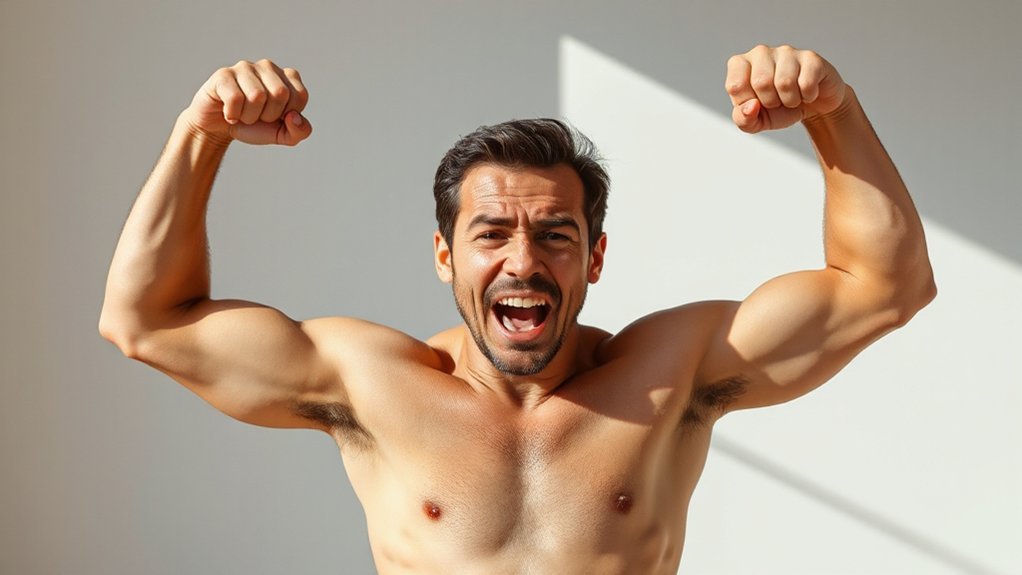

You’ve stumbled onto stretching memes—those addictive looping clips of someone bending, arching, or flexing that somehow hit different. They started as fitness clips from creators like Anna McNulty and Andreas Robens, then exploded into cultural gold because they’re relatable, shareable, and genuinely funny. Whether it’s a kitten waking up or Kevin Gates mid-workout, these 2–4 second loops capture everyday moments we all experience. The beauty? They work everywhere—TikTok, Instagram, group chats—and brands are catching on fast. Want to harness that viral magic yourself?
Key Takeaways
- Short looping videos (1.7–4.3 seconds) of fitness, stretching, and flexibility moments became viral memes across social platforms.
- Key creators like Anna McNulty, Andreas Robens, and Kevin Gates popularized stretching memes through relatable workout and contortion clips.
- Stretching memes resonate universally by capturing everyday routines like waking up, gym prep, and desk loosening with humor and relatability.
- The iconic “i better stretch” mustached GIF reached 341,602 shares, demonstrating massive viral potential of stretching content.
- GIFs and short MP4s (2–5 seconds) optimized for mobile autoplay perform best on TikTok, Instagram, and messaging apps without audio.
The Stretching Meme Explained: Origins and Cultural Moments

Where’d the stretching meme come from, anyway? You’ve probably seen it—that guy with the mustache saying “i better stretch,” racking up over 341,602 shares across the internet. But here’s the thing: this meme didn’t just appear out of nowhere.
It grew from fitness clips that creators like Andreas Robens and contortionist Anna McNulty posted, pulling stretching visuals straight out of workout contexts into meme territory. Those short, looping videos—typically 1.7 to 4.3 seconds—made perfect reaction material. Then came the wholesome pivot: people started using cute moments like a kitten waking up or Winnie-the-Pooh bending, turning relatable morning stretches into comedy gold.
The real boost? Identifiable creators. When PurdyRN posted a Jack Black stretch clip or kevingates shared their Kevin Gates GIF, shares exploded into the hundreds of thousands. That’s when you knew: stretching had become your go-to meme format, reshaping how you react online.
Why Stretching Memes Feel Personal (And Why You Share Them)
You share stretching memes because they hit different—they capture those universal moments you actually live through, whether you’re rolling out of bed, prepping for the gym, or just trying to loosen up after a long day at your desk. The humor and relatability aren’t forced; you recognize yourself in that kitten stretching or that ballet contortionist, and suddenly you’ve got the perfect reaction to send your friend who gets it. That’s the magic: these memes feel personal because they’re about *your* body, *your* routine, *your* mood in that exact second, so passing them along feels like sharing a inside joke with everyone who’s ever stretched in their life.
Relatability Through Shared Moments
Because stretching memes tap into moments we’ve all lived—that satisfying full-body stretch when you wake up, the relief after a grueling workout, the awkward yawn in a meeting—they hit different. You see yourself in them instantly, which is precisely why you tag your friends without thinking twice.
| Moment | Why It Resonates |
|---|---|
| Waking up | Universal, daily, undeniably relatable |
| Post-workout | Shared exhaustion and triumph |
| Morning yawn | Innocent, funny, genuinely awkward |
These aren’t abstract concepts—they’re *your* life played back at you. When you watch that kitten stretch or see someone’s spine bend impossibly, recognition floods in immediately. You’ve been there. You *are* there. That’s the magic: stretching memes don’t ask you to imagine relatability. They show it, prove it, make it impossible to deny. So you share, because someone you know absolutely needs to see themselves too.
Social Connection And Humor
Relatability gets you to recognize yourself in a meme, but it’s the *social glue*—the way you weaponize humor to connect with others—that makes you actually hit share. When you post that “I better stretch” clip with 341,602 shares, you’re not just laughing alone; you’re signaling to your crew: *I get it. We’re the same.* Tags like “awkward” or “sexy” let you calibrate the vibe, choosing a tone that matches your mood and telegraphs your personality to whoever’s watching. You’re basically saying, without saying it, *this is how I move through the world.* Familiar faces—Jack Black, that contortionist—amplify the inside-joke energy. Short loops make the bit stick in group chats, becoming conversational shorthand. That’s the real magic: turning a three-second stretch into proof you belong.
Where to See Stretching Memes: The Viral Examples That Broke Through
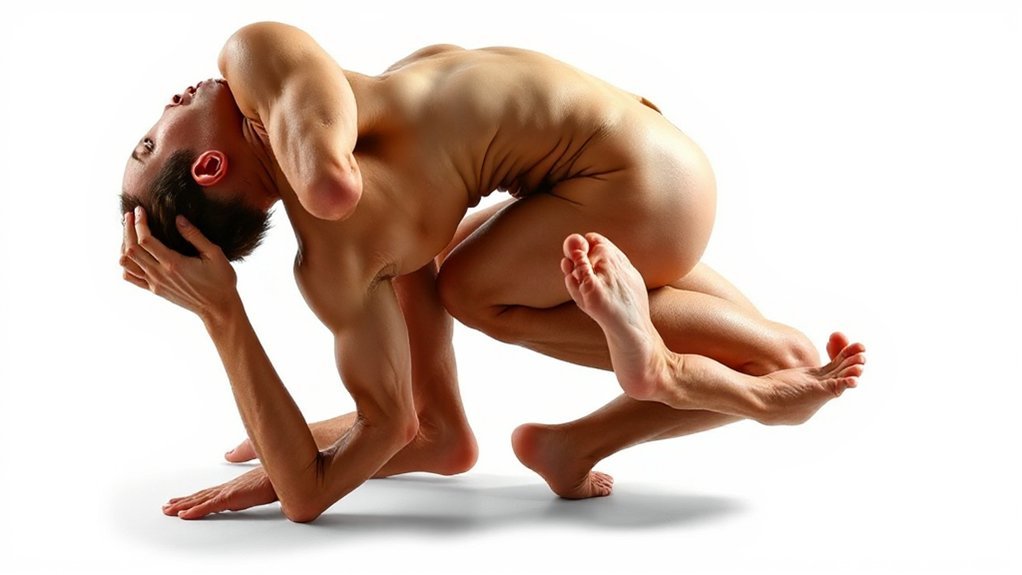
Where’d all these stretching memes come from, and how do you actually find them? Tenor‘s your go-to—seriously. The platform hosts the biggest stretching meme collection, and you’ll discover everything from the iconic “Stretch” man-with-mustache GIF (341,602 shares!) to Winnie the Pooh’s “Exercise Bend” (86,372 shares). Want something more impressive? Check out contortionist Anna McNulty’s flexibility clips or the Ballet Stretching GIF—both crushed it with massive circulation numbers. Even Kevin Gates got in on the action with his own stretching moment.
You’ve got options beyond the obvious, too. Cute variants like the “Kitten Waking Up” stretch pull thousands of shares because they’re relatable, funny, and hit different. Search “stretching,” “exercise,” or specific names on Tenor, and you’ll find GIFs, MP4s, and WebM files ready to download. These formats work everywhere—texts, posts, replies. You’re not just finding memes; you’re tapping into a whole culture of stretching humor that connects people through shared laughter.
How to Use Stretching Memes in Your Social Media Posts
You’ve got to nail three things: timing your drops when your audience scrolls most (evenings and weekends crush it), pairing those loopable GIFs with captions that match the vibe—whether it’s fitness motivation or awkward relatability—so viewers actually stop and share, and picking the right platform format since TikTok eats up vertical MP4s while Instagram rewards that snappy 2-4 second loop that doesn’t feel rushed. The real trick? Test what sticks with your crowd; a stretching meme that kills on LinkedIn might flop on Twitter, so watch your engagement metrics and adjust fast, because viral moments don’t wait around for second chances.
Timing Your Post Releases
When should you actually hit “post” on that stretching meme?
Timing matters—a lot. You’re competing for attention, so you’ve gotta meet your audience where they are. Here’s the real breakdown:
- Morning posts (6–9 AM) work best for cute waking-up clips like the Kitten GIF; people engage with routine content before their day kicks off.
- Pre- and post-workout windows (6–8 AM, 5–8 PM) demand energetic stretching content; that’s when folks are actually thinking about movement.
- Midday and weekend slots suit broadly shareable memes like the “Stretch” man GIF; casual browsing spikes when people need a break.
Test these windows with mobile-optimized formats—tinywebp or short MP4s load fast. A/B test across slots. Your audience’s rhythm determines your success. Don’t guess. Measure, adjust, repeat.
Engagement Through Visual Humor
Here’s what works: match your one-liner to the stretch vibe. “Stretch it out” lands perfectly with yoga clips. “Monday mood” pairs with that groggy kitten waking up. The magic? Recognition. When viewers see themselves in the humor—that awkward flexibility attempt, that morning grind—they stop scrolling and hit share.
Format matters too. Keep loops tight: 1.7–4.3 seconds keeps engagement high and thumbs tapping. Use platform-optimized versions so it loads fast, looks crisp, keeps people hooked.
Your caption’s the amplifier. Make it relatable, make it snappy, make it *theirs*.
Platform-Specific Sharing Strategies
Each platform’s algorithm craves different things—so your stretching meme needs a custom fit, not a one-size-fits-all approach.
Twitter wants speed. Post short looping MP4s under 3MB, 2–3 seconds max, with tags like #stretching and #yoga. They’ll autoplay fast, grab attention, done.
Instagram demands beauty. Use square 1:1 formats or vertical videos, keep clips to 4–5 seconds, pair them with clean captions. Quality visuals win here.
TikTok and Reels? Go longer and funnier:
- Stitch sequences together (4–5 seconds or more)
- Add trending audio—silence kills reach
- Reference share metrics in captions to boost relatability
For messaging apps, send tiny GIFs first as previews, then medium-quality MP4s for deeper engagement. Each platform’s audience expects something different. Meet them there, and they’ll share your stretching meme everywhere.
Stretching Memes as Fitness Marketing: A Brand-New Use Case
Leveraging stretching memes for fitness marketing isn’t just clever—it’s genuinely effective because these bite-sized clips align perfectly with how people actually consume content on mobile. You’re working with 2–5 second looping assets that don’t demand much, yet deliver massive engagement: the “Stretch” meme hit 341,602 shares, Anna McNulty clips scored 53,295, and Exercise Bend variants cracked 86,372.
Here’s what makes this work: you pair short, silent videos with crystal-clear call-to-action overlays like “Stretch it out” or branded captions. Autoplay? No audio required? Perfect for scrolling feeds. You’re showing, not telling—demonstrating flexibility benefits in under five seconds.
The beauty? Diverse angles let you target everyone. Cute kitten waking up appeals differently than contortionist clips. Tag them yoga, ballet, fitness—reach your exact audience. Use optimized formats (tinygif, tinymp4, tinywebp) for lightning-fast loads, then convert browsers into class signups and challenge participants. That’s fitness marketing reimagined.
Making Your Own Stretching Meme: What Works
Creating a stretching meme that actually lands requires nailing three fundamentals: pick a relatable subject, nail the timing, and make it shareable.
You’ve got options here. Film someone everyone knows—a celebrity, a pet doing that classic wake-up arch, a contortionist mid-move. Familiar faces drive shares hard. Keep your loop tight, somewhere between 1.7 and 4 seconds. That’s your sweet spot for smooth playback and social traction.
Here’s what separates winners from flops:
- Export multiple formats—GIF, MP4, WebM, plus tiny versions for faster loading
- Overlay one clear caption like “stretch it out” with mood tags (fitness, wake-up, awkward, sexy)
- Feature recognizable talent or niche skills that make people stop scrolling
The data’s clear: mustached men hit 341k shares, ballet performers land 79k. Your subject matters. Tag strategically, keep it punchy, and you’re golden.
Frequently Asked Questions
What Is the Quote That Is Stretched?
You’ve probably seen “stretch it out” plastered across those flexible contortion clips—that’s the main one you’ll run into. Then there’s “I better stretch,” which pops up before someone tackles something demanding. Both phrases get stretched visually, matching the GIF’s motion for comedic timing. They’re playful yet earnest, shifting from motivational to casually anticipatory depending on context. You’ll spot them on yoga, ballet, or wake-up clips mostly.
What Is the Greatest Stretch Ever?
Here’s the thing—you’re witnessing it right now. The “Stretch Stretching” GIF, that mustachioed legend with 341,602 shares, *is* the greatest stretch ever made. Why? It’s brilliantly absurd. A man stretching while stretching epitomizes comedic perfection, doesn’t it? You get the physical humor, the looping absurdity, the shareable brilliance. That’s your gold standard: simple, memorable, endlessly rewatchable. It’s the meme that captured something universal about human goofiness and nailed it.
So
You’ve stretched beyond scrolling—you’re now creating. These memes aren’t just flexible content; they’re bridges between your authentic self and your audience. You’re planting seeds of relatability, watching them grow across feeds. When you craft or share a stretching meme, you’re saying: I get it, you get it, we’re all reaching for something. That’s powerful. Go ahead—bend the format, make it yours, and watch your community stretch right alongside you.







Leave a Comment