

You can boost both mental and physical health with small gratitude habits that research links to lower stress, reduced inflammation, better sleep, and stronger relationships. Start simple: name one specific thing each morning, jot three positive moments at night, and thank someone briefly. These steps are practical and doable—want to try a plan that fits your day…
Why Gratitude Helps Your Physical and Mental Health

When you practice gratitude regularly, you trigger measurable changes that benefit both body and mind: research shows it lowers stress hormones and inflammation, improves sleep, and strengthens immune responses, while also increasing positive emotions, social connection, and resilience. You engage Neurochemical pathways that raise serotonin and oxytocin and reduce cortisol, which helps regulate mood and stress reactivity. Those shifts support Immune modulation through lower inflammation markers and improved vaccine responses in some studies. Practically, you’ll notice clearer thinking, calmer reactions, and better restorative sleep that reinforce well-being. This evidence-based perspective doesn’t promise instant fixes, but it does show gratitude is a low-risk, scalable complement to medical and psychological care you can integrate thoughtfully. Discuss options with professionals when health issues need targeted treatment directly.
Simple Daily Gratitude Habits to Start Today
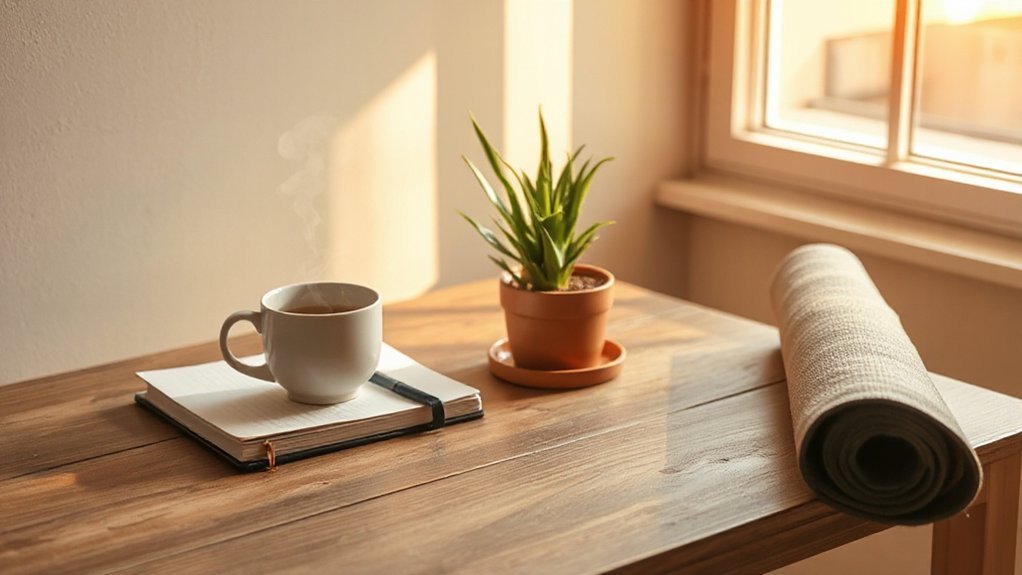
How can you build simple daily gratitude habits that actually stick? Start with small acts: note one specific thing each morning, set visual reminders at doorways, or try two minutes of audio journaling to capture feelings. Research shows brief, consistent practice boosts well-being; be kind to yourself as you experiment. Use cues you already have—coffee, phone, keys—and attach a gratitude action. Track progress weekly and adjust. Below are quick habit ideas to try.
| When | Habit |
|---|---|
| Morning | List one specific thing |
| Commute | Two-minute audio journaling |
| Bedtime | Visual reminders + brief reflection |
Keep it brief, consistent, and compassionate—small routines compound. If a day slips, restart without judgment; repetition matters more than perfection, and measurable small wins reinforce habit formation and long-term health benefits over time steadily.
Using Gratitude to Improve Sleep and Stress

Because gratitude shifts attention away from threat and toward positive cues, a short, consistent gratitude practice can lower arousal and help you fall and stay asleep more easily. Before bed, spend five minutes on bedtime reflections: note three specific things that went well today and why they mattered. That focused recall reduces rumination and reduces physiological stress.
Combine reflections with gratitude breathing: inhale for four counts, exhale for six while thinking of one calming image tied to your gratitude item. This taps parasympathetic pathways, lowering heart rate. If sleep resists, repeat the cycle two to three times, keep the room dark and device-free, and be patient—effects strengthen with nightly repetition. Track progress in a simple journal to notice patterns and reinforce the habit regularly.
Strengthening Relationships With Expressed Thanks
Expressing gratitude to the people in your life builds closeness and trust in measurable ways: studies show that thanked partners report greater satisfaction, feel more cared for, and reciprocate kindness. When you thank someone specifically, you reinforce valued behaviors and deepen emotional safety. Write concise appreciation letters to convey concrete examples of what they did and why it mattered; those letters produce lasting positive feelings for both writer and recipient. Pair written thanks with expressive listening: reflect feelings, ask clarifying questions, and acknowledge perspective without judgment. That combination signals genuine regard and strengthens bonds faster than generic praise. You don’t need grand gestures—clear, sincere acknowledgement grounded in evidence about social reciprocity and attachment will help relationships feel more secure, mutually supportive and connected.
Tips for Making Gratitude a Lasting Routine
Regularly practicing gratitude helps it become a durable habit: start with small, specific actions that research shows increase follow-through. Choose one daily cue—morning coffee, bedtime, or a notification—and use cue customization so the prompt fits your schedule and context. Keep entries brief: one sentence or three things you noticed. Track consistency for two weeks to build momentum; studies link short-term repetition with long-term change. Pair the practice with immediate, pleasant rewards—extra stretch, a favorite song—with intentional reward planning to reinforce value. If you miss a day, respond kindly and resume; perfection isn’t required. Review progress monthly and adjust cues and rewards to prevent drift. These practical steps make gratitude sustainable and health-supporting. Over time you’ll notice improved mood, sleep, and relationships, and reduced stress.





Leave a Comment