

If you’re tired all the time, you can change the drivers of fatigue with targeted, proven steps. You’ll improve sleep timing and quality, use light and exercise to reset your circadian rhythm, optimize meals and caffeine timing, and screen for medical or mental‑health causes. Below you’ll find a concise, practical plan to start improving daytime energy now.
Improve Sleep Quality and Consistency

Although it’s tempting to vary your bedtime, keeping a consistent sleep schedule—going to bed and waking at the same times daily—aligns your circadian rhythm and improves sleep efficiency. You should prioritize sleep hygiene: limit evening light exposure, avoid stimulants within six hours of bedtime, and build a wind-down routine. Assess your sleep environment objectively: temperature, noise, and light reduction improve continuity. Optimize Pillow Selection for spinal alignment and comfort; replace pillows every 1–2 years or when support declines. Choose Bedding Materials that regulate temperature and wick moisture to reduce night awakenings. If you still experience excessive daytime sleepiness despite consistent timing and environment adjustments, document symptoms and seek evaluation for sleep disorders such as sleep apnea or insomnia. Early clinical assessment improves treatment outcomes.
Optimize Your Diet for Sustained Energy

Sleep quality and nutrition interact: what and when you eat affects daytime alertness and sleep architecture, so optimizing diet complements the sleep habits you’ve established.
| Food group | Benefit | Example |
|---|---|---|
| Whole grains | Sustained glucose | Oats |
| Protein | Satiety, repair | Greek yogurt |
Prioritize balanced macros, consistent meal timing, and fiber rich meals to stabilize glucose and reduce midafternoon dips. Choose whole grains, lean protein, healthy fats, and legumes; limit simple sugars and heavy evening meals that fragment sleep. Hydrate strategically; mild dehydration impairs cognition. Consider small protein-containing snacks before bed if nocturnal hypoglycemia disrupts sleep. Monitor caffeine, limiting intake after early afternoon. Use objective measures—sleep diary, activity tracker, fasting glucose—to assess effects. Adjust portions and timing based on symptoms and data. Consult with a dietitian or clinician.
Use Exercise to Boost Alertness and Stamina
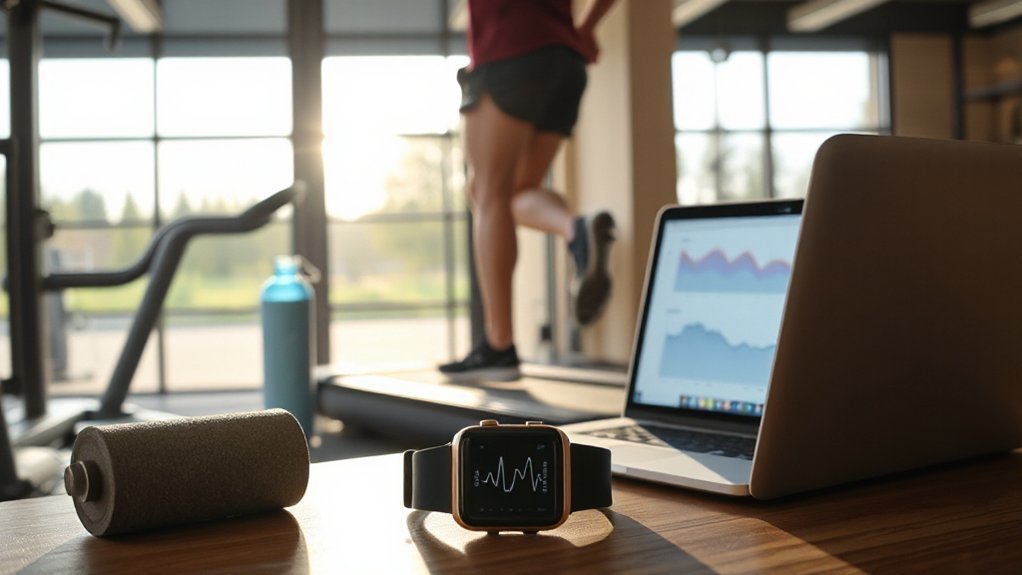
Moving your body reliably increases daytime alertness and builds endurance through improved cardiovascular fitness, mitochondrial efficiency, and neurotransmitter regulation. You should aim for a mix of moderate aerobic sessions and targeted high-intensity work: brief Interval sprints improve arousal, glucose metabolism, and VO2 adaptations, while steady-state runs increase base endurance. Add Resistance circuits twice weekly to preserve muscle mass, improve insulin sensitivity, and raise resting metabolic rate; use compound movements, controlled tempo, and minimal rest to sustain vigilance benefits. Start with realistic volume — 2–4 aerobic sessions and 2 resistance sessions per week — and progress load by 10% increments. Monitor sleep, perceived exertion, and daytime energy; reduce intensity if fatigue accumulates or recovery markers worsen. Consult a clinician before starting if you have cardiovascular or metabolic conditions.
Leverage Light Exposure and Circadian Timing
You can boost alertness and consolidate sleep by exposing yourself to bright natural light soon after waking, which shifts your circadian phase earlier and suppresses melatonin. In the evening, you should reduce blue-rich light from screens and bright overheads to allow melatonin to rise and signal sleepiness. Keeping consistent bed and wake times across the week reinforces circadian timing and improves daytime energy.
Morning Bright Light
Regularly exposing yourself to bright morning light within 30–60 minutes of waking shifts your circadian phase earlier, boosts morning alertness, and stabilizes daytime functioning. You should aim for sustained exposure (20–60 minutes) at high intensity; sunlight or a validated light box works. Think of it like photography lighting for your brain: timing, spectrum, and irradiance shape response. Clinical trials show improvements in sleep timing and subjective alertness. Use consistent wake times and morning routines; small delays blunt benefits. For short days, supplement with a medical-grade light device. Practical guide:
| Time | Intensity | Effect |
|---|---|---|
| 0–30 min | Bright (≥2500 lux) | Phase advance |
| 30–60 min | Moderate | Alertness rise |
| 60–120 min | Low | Consolidate wake |
| Outdoor walk | Variable | Practical exposure |
Seed germination metaphor helps: consistent cues produce predictable physiology responses.
Reduce Evening Light
When you reduce evening light, your circadian clock shifts toward night and melatonin secretion rises, making sleep onset easier. You should dim ambient lighting two to three hours before bed to decrease retinal stimulation; multiple studies show lower light intensity advances melatonin onset and shortens sleep latency. Use blackout curtains to block outdoor light and eliminate streetlamp or early sunrise exposure. Replace bright bulbs with warm, low-lux alternatives and avoid overhead fixtures. Apply screen filters or enable blue-light reduction on devices, and limit screen time when possible because short-wavelength light suppresses melatonin. For shift workers, strategic light avoidance after shifts can help realign rhythm. These interventions are low-cost, scalable, and clinically supported to improve sleep initiation and perceived daytime alertness and reduce fatigue effectively.
Consistent Sleep Schedule
Consistently keeping bed and wake times aligned with natural light cues stabilizes your circadian clock and improves sleep consolidation and daytime alertness. You should target a fixed sleep window, shifting no more than 30–60 minutes on weekends to maintain phase stability; randomized schedules fragment sleep and raise subjective sleepiness. Use morning light exposure and evening dimming to entrain timing—outdoor light for 20–30 minutes after wake, low-intensity, warm lighting two hours before bed. Coordinate within households: family coordination around meal and activity timing reduces internal desynchrony. Balance professional demands and social obligations by planning fixed sleep blocks and communicating limits. When unavoidable shifts occur, allow two to three days per hour shifted for circadian adjustment. Monitor adherence and daytime performance to evaluate effectiveness and subjective alertness.
Practice Strategic Napping and Rest Breaks
Brief, planned naps and short rest breaks improve alertness, reaction time, and mood; 10–20 minute naps tend to boost cognitive performance without causing sleep inertia, whereas naps longer than about 30 minutes raise the risk of post‑nap grogginess. You should schedule power naps during low circadian dips, limit them to 10–20 minutes, and avoid late‑afternoon naps. Use microbreak strategies—brief posture changes, eye rests, and breathing—to restore vigilance without fragmenting work. Combine timed naps with environment control: low light, cool temperature, quiet. If excessive sleepiness persists, seek medical evaluation for sleep disorders. Table summarizes practical parameters and benefits. Track effects daily to personalize timing.
| Parameter | Recommendation |
|---|---|
| Nap duration | 10–20 minutes |
| Timing | Early afternoon |
| Environment | Quiet, cool, low light |
| Break type | Microbreaks: eyes, posture, breathing |
Manage Stress and Mental Health Contributors
Poor stress regulation and mental health conditions markedly increase daytime fatigue by disrupting sleep, elevating HPA‑axis activity, and impairing attention and motivation. You should assess mood and stress with validated scales, screening for depression, anxiety, and PTSD that commonly produce fatigue. Implement brief behavioral interventions: structured problem‑solving, activity scheduling, and cognitive reframing to reduce negative appraisal and rumination. Prioritize access to evidence‑based treatments—CBT, psychotherapy, and pharmacotherapy when indicated—and coordinate care with mental health professionals. Enhance resilience through consistent social support, targeted psychoeducation, and skills training (mindfulness, paced breathing) to lower physiological arousal. Monitor symptoms and functional outcomes, adjusting interventions based on response. If fatigue persists despite optimized mental health care, refer for multidisciplinary evaluation. Document sleep patterns and daytime impairment to guide treatment effectively.
Reduce Stimulant Reliance and Improve Sleep Hygiene
Limiting stimulant use can quickly improve sleep quality and daytime alertness, so aim to cut or shift caffeine, nicotine, energy drinks, and unnecessary prescription stimulants away from the evening—stop caffeine roughly six hours before bedtime and discuss timing or dose changes for prescribed stimulants with your clinician. Practice structured caffeine tapering to reduce withdrawal and preserve daytime function: replace afternoon coffee with decaf or tea, reduce volume gradually over days, and track intake. Use behavioral craving management: delay, distract, hydrate, or use brief relaxation to ride out urges. Optimize sleep hygiene—fixed wake time, wind-down routine, reduce evening light, and keep the bedroom cool and quiet. Monitor progress and adjust with your clinician if sleep or daytime fatigue persist. Aim for measurable improvements within weeks.
Identify and Address Medical Causes of Fatigue
If fatigue persists despite lifestyle changes, you’re advised to get basic medical screening to rule out common causes. Ask your clinician to check a complete blood count for anemia and measure TSH to evaluate thyroid function. If you snore, have daytime sleepiness, or witnessed apneas, arrange screening for obstructive sleep apnea with overnight oximetry or polysomnography.
Check for Anemia
Because anemia reduces oxygen delivery to tissues, it commonly causes persistent fatigue. You should have a targeted evaluation: request CBC interpretation to assess hemoglobin, hematocrit, MCV and red cell indices. Correlate symptoms with objective values and trends rather than a single borderline result. Order iron studies (serum ferritin, transferrin saturation, serum iron) to distinguish iron deficiency from anemia of chronic disease; consider B12 and folate testing if MCV is elevated. If anemia is confirmed, identify etiology—bleeding, nutritional deficiency, chronic inflammation—and address reversible causes. Treat according to severity and cause: iron supplementation for deficiency, B12 injections for deficiency, or referral to hematology for unexplained or severe cases. Monitor response with repeat CBC and iron studies. Document symptoms and treatment response in the medical record regularly.
Evaluate Thyroid Function
How might thyroid dysfunction be contributing to your fatigue?
You should get TSH testing as initial screen; abnormal results prompt free T4, thyroid antibodies, and consider ultrasound imaging for structural disease.
| Finding | Test | Clinical implication |
|---|---|---|
| High TSH | TSH testing | Primary hypothyroidism — treat and monitor |
| Low TSH | TSH testing | Hyperthyroidism — expedite evaluation |
| Nodules | Ultrasound imaging | Assess size, features; biopsy if suspicious |
Targeted therapy (levothyroxine or antithyroid drugs) and follow-up labs reduce fatigue when thyroid disease is confirmed; coordinate care with endocrine specialists. Interpretation should use age-appropriate reference ranges; repeated abnormal TSH on separate occasions confirms diagnosis, and dosing aims to normalize symptoms and biochemical markers. If fatigue persists despite normalized labs, reassess comorbid conditions, medication interactions, and adherence. Document changes and communicate results to patient.
Screen for Sleep Apnea
Why screen for obstructive sleep apnea (OSA) when evaluating unexplained fatigue? OSA causes fragmented sleep, intermittent hypoxia and daytime somnolence; untreated OSA increases cardiovascular risk and impairs cognition. If you have loud snoring, witnessed apneas, morning headaches, or excessive daytime sleepiness, pursue objective testing. Start with validated questionnaires, review Partner Reports, and assess risk factors such as obesity, neck circumference, and craniofacial anatomy. Refer for diagnostic polysomnography or consider Home Testing for uncomplicated patients with high pretest probability. Initiate treatment with CPAP, mandibular advancement devices, or positional therapy based on severity and patient tolerance. Reassess symptoms and daytime alertness after treatment. Addressing OSA often produces measurable improvements in energy, mood, and overall function. Coordinate care with sleep specialists and primary providers for longitudinal management.
Build Sustainable Daily Routines for Long-Term Energy
Establishing consistent daily routines—regular sleep-wake times, timed meals, and brief activity breaks—optimizes circadian rhythms, glucose regulation, and daytime alertness. You should schedule wake and sleep within a 30–60 minute window daily, use timed meals to stabilize blood sugar, and insert 5–10 minute activity breaks every 60–90 minutes to reduce fatigue. Apply habit stacking by attaching new behaviors (hydration, stretching) to established anchors like morning hygiene. Use time blocking for focused work and recovery periods, protecting sleep-preparatory routines and limiting cognitive overload. Monitor outcomes with sleep diaries and actigraphy when available; adjust based on daytime sleepiness and performance. Consistency, gradual change, and objective tracking produce durable improvements in energy and functional capacity over weeks to months. You’ll notice measurable gains in alertness and productivity soon.






Leave a Comment