

You’ll find morning meditation steadies your nervous system, sharpens attention, and helps you choose the tone for the day. You don’t need long sessions or special equipment—just posture, a breath anchor, and a clear intention. I’ll share practical short routines and setup tips so you can start small and build…
Why Morning Meditation Matters
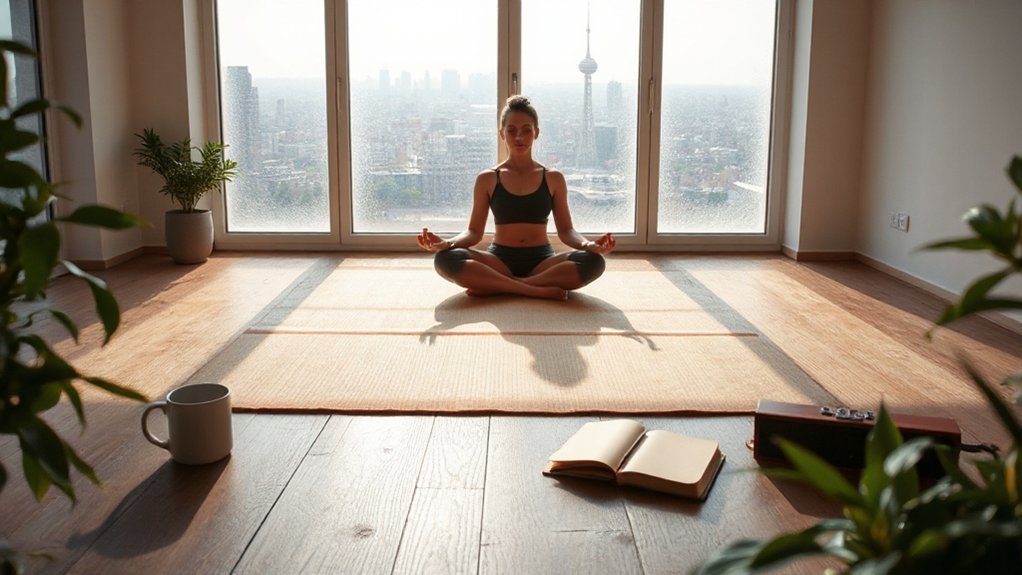
When you begin your day with a few minutes of meditation, you give your mind space to settle before the day’s demands arrive. You’ll notice your breathing calm, and your attention sharpen; these shifts support stress reduction and help you respond rather than react. As you practice, you cultivate clarity and steadiness that carry into tasks, meetings, and conversations. That steadiness fosters cognitive enhancement: improved focus, memory, and decision-making that make daily work smoother. You don’t need perfection—just consistency and gentle curiosity about your experience. When distractions arise, you acknowledge them with kindness and return to your breath. Over time, this simple habit becomes a reliable anchor, helping you meet the day with more presence, resilience, and ease. It quietly transforms your inner landscape.
Choosing the Right Time and Length

Think about when your mind feels clearest and choose a morning slot that fits your natural rhythm and routine. Start with a short, manageable session—five to ten minutes—and increase time as you feel ready, or keep it brief on busy days. Try different lengths and times until you find a reliable practice that supports your day.
Optimal Morning Timing
Why not pick a morning slot that fits your natural energy and schedule instead of forcing a one-size-fits-all routine? You can honor Circadian rhythms and adapt with gentle Seasonal adjustments so practice feels sustainable. Notice when you feel most alert: early dawn, after light exposure, or once caffeine hasn’t kicked in. Aim for consistency around that window; regular timing trains your body and mind to settle faster. Choose moments that reduce friction — before checking devices, after light stretching, or just before you leave the house. Use this simple checklist to find your ideal slot:
- Track energy for a week.
- Align with daylight and sleep patterns.
- Pick a consistent, low-distraction moment.
Trust your instincts and adjust kindly with gentle curiosity.
Choosing Session Length
If you have limited time, even five focused minutes can anchor your morning and build momentum for longer sits later. Choose session length based on your schedule, goals, and comfort — start small and increase gradually. Many Cultural traditions favor short daily practices; Research evidence shows consistent brief sessions yield benefits similar to sporadic long retreats. Use this quick guide:
| Length | Use case | Tip |
|---|---|---|
| 5 min | Wake-up grounding | Breathe 10 slow cycles |
| 10-20 min | Daily stability | Combine breath and body scan |
| 30-45 min | Deep practice | Include focused attention |
| 60+ min | Retreat-style | Plan post-session integration |
Listen to your needs, stay consistent, and adjust length compassionately as you progress. Track outcomes, be patient, and let practice deepen naturally; balance ambition with kindness toward your unfolding rhythm today.
Simple Breathing Exercises to Start Your Day
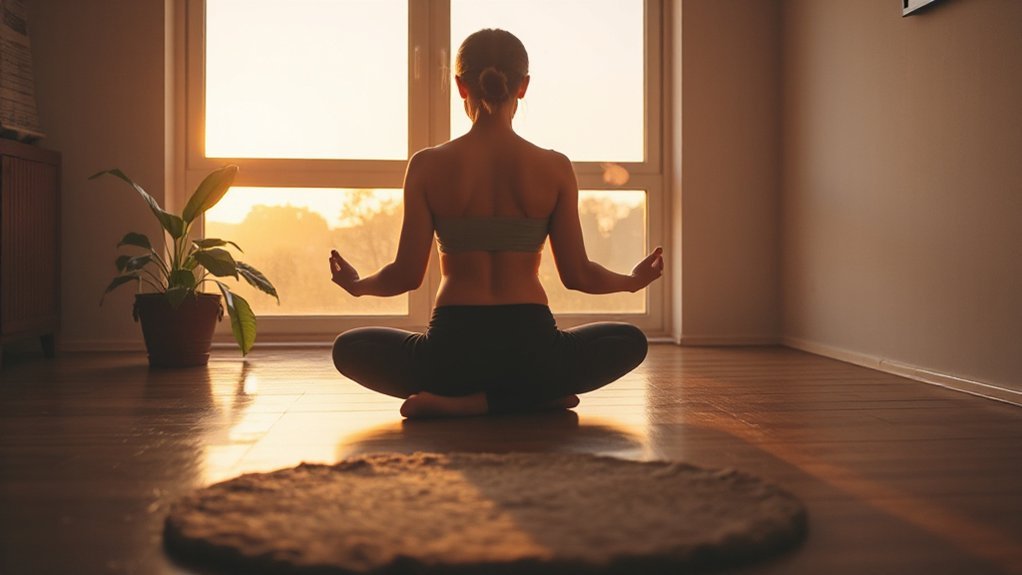
When you wake, a few mindful breaths can reset your nervous system and set a calm tone for the day. Start seated or standing, relax shoulders, and bring attention to how your breath moves. Understanding basic breath physiology helps you notice shallow chest breaths versus full, nourishing cycles. Try these short practices to begin:
- Box breathing: inhale 4, hold 4, exhale 4, hold 4 — repeat 4 times.
- Lateral breathing: place hands on ribs, expand sideways on each inhale, release fully on exhale for 1–2 minutes.
- Belly-supported breath: inhale to fill lower lungs, feel diaphragm descend, exhale slowly to lengthen.
Start with one practice and build consistency over days gradually. You’ll feel steadier and more present; keep it gentle and kind, no force, just attentive rhythm.
Mindfulness Techniques for Busy Mornings
You can use a one-minute breathing exercise to center yourself before the day starts. Pair that with a few mindful movement stretches to wake your body and release tension. These quick practices fit into tight schedules and help you move through mornings with more focus and ease.
One-Minute Breathing Exercise
Although mornings can rush you, a single minute of focused breathing can quickly ground your mind and calm your body. Sit comfortably, close your eyes if safe, and notice your inhale and exhale. Slow, measured breaths influence respiratory physiology and support vagal activation, reducing heart rate and stress. Use this simple structure:
- Inhale for four counts through your nose.
- Hold gently for four counts.
- Exhale for six counts through your mouth.
Repeat this cycle for one minute, staying curious about sensations rather than judging them. If thoughts arise, don’t judge—return to the count. This practice fits any morning, requires no equipment, and helps you arrive at the day with steadier attention and a softer nervous system. Do it daily when you can — you’ll feel benefits.
Mindful Movement Stretches
Moving slowly and intentionally helps you bring awareness into your body without adding time to your morning. You can flow through gentle sequences—neck rolls, cat-cow, and hip openers—to awaken joints and calm the mind. Choose dynamic mobility moves that match your energy: short, steady, and present. Focus on breath with each movement, keeping attention on sensations rather than outcomes. A simple three-movement routine can center you before work.
| Move | Focus | Duration |
|---|---|---|
| Neck rolls | Release | 30s |
| Cat-Cow | Spine | 45s |
| Hip openers | Hips | 60s |
Practice daily; you’ll feel lighter, steadier, and ready. Keep it brief, repeat sequences two to three times, and adjust intensity. You’ll cultivate presence and mobility that carries through your day. Start where you are, with kindness. This unfolds with gentle, steady practice.
Visualization and Intention-Setting Practices
How do you want your day to unfold? Begin by settling into a quiet moment and breathe, then visualize a clear outcome. Use creative imagery to paint sensations, actions, and emotions tied to your intentions. Choose symbolic anchors — a color, object, or phrase — to return to when focus drifts.
- Visualize: see a small, specific scene of success.
- Name: set a concise intention in present tense.
- Anchor: link that intention to a simple symbol.
Keep sessions short and compassionate; you’ll build direction without pressure. Repeat the practice daily, adjusting images and anchors as your priorities shift. Trust the process: consistent, gentle focus guides choices and shapes the tone of your day. Let this practice be steady and nourishing each morning.
Posture, Environment, and Practical Setup
After you’ve set your intention, arrange your body and surroundings to support it: sit with a tall, relaxed spine, shoulders soft, and whichever props — cushion, chair, or blanket — give you steady comfort. Notice Chair Alignment: hips slightly higher than knees, feet grounded, and a small support at the lower back if needed. Let your hands rest where they feel steady. Choose a spot with minimal distractions; tidy a small area so your attention isn’t pulled. Use Lighting Optimization to favor soft, natural light or a warm lamp that’s dimmable, avoiding harsh glare. Keep temperature cozy and a glass of water nearby. Check your phone is silenced and face-down. These practical choices help you begin with steadiness and ease. Return to breath whenever attention wanders.
Short Routines for Five Minutes or Less
Five minutes or less can reset your mind and set the tone for the day, so keep these routines simple and repeatable. You’ll find tiny practices that anchor you without forcing a schedule. Begin with breath: inhale four, hold one, exhale six, three times. Add scent rituals—dawn-friendly oils or a coffee aroma—to cue calm. Use tapping techniques on collarbones to release tension quickly. Finish with one intention: kind, clear, doable.
- Box breath: 1 minute
- Scent pause + scan: 2 minutes
- Tapping + intention: 2 minutes
Repeat these sequences when you need clarity. They’re portable, nonjudgmental, and build momentum for the rest of your morning. Trust the process—small consistent pauses reshape your day without pressure or perfection, and honor each gentle step.
Deep Practices for Pre-Work Sessions
Preparing a deeper pre-work session helps you arrive focused and steady, so choose practices that match the time you have and the demands of your day. You can alternate Yogic Nidra for restorative clarity and short conscious movement to wake the body. Use Contemplative Journaling for two minutes to clarify priorities and release worry. Begin seated, set one intention, and follow breath through five to twenty minutes depending on schedule. These methods calm your nervous system, sharpen attention, and create gentle momentum before emails or meetings.
| Calm | Intention |
|---|---|
| Breath anchors you | You set clear goals |
| Gentle rest | Focused clarity |
Trust the process, keep sessions gentle and realistic, and notice how sustained calm and intentional energy improves your effectiveness and well-being throughout the workday daily.
Building Consistency and Overcoming Common Barriers
How will you make these morning practices stick when life gets busy? Start small, prioritize a specific time, and treat meditation as nonnegotiable. Use Habit tracking to reinforce progress; mark each session and review weekly. Pair sessions with anchor routines—brush teeth, brew coffee—so your brain links cues with practice.
- Set tiny goals: two minutes daily to build consistency.
- Remove friction: prepare your cushion and clothes the night before.
- Use Reward systems: celebrate streaks with simple treats.
When obstacles arise, adapt rather than abandon: shorten practice, change location, or shift timing. Be compassionate with yourself; consistency grows from gentle persistence, realistic planning, and steady reinforcement. Track small wins daily, revisit intentions monthly, and seek community support when motivation wanes to sustain momentum and celebrate progress.






Leave a Comment