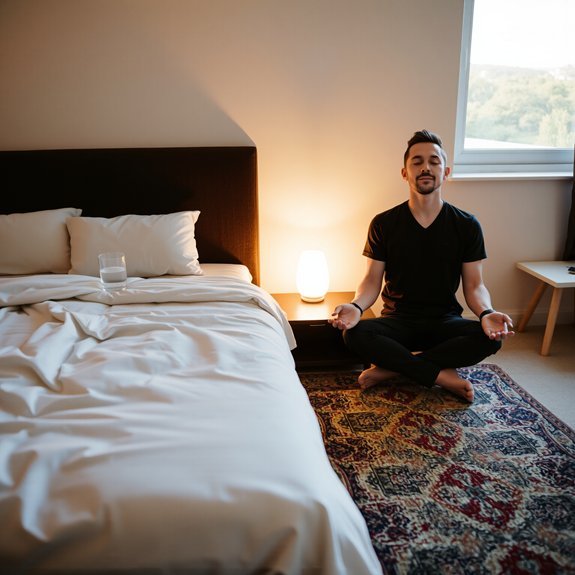

You can improve sleep quality with consistent timing, a cool dark room, and simple routines that reduce arousal. Clinical trials show even small changes boost testosterone, mood, and daytime performance. You’ll get step‑by‑step, evidence‑based habits for timing, light, stimulants, exercise, and stress—here’s how to start.
Set a Consistent Sleep Schedule
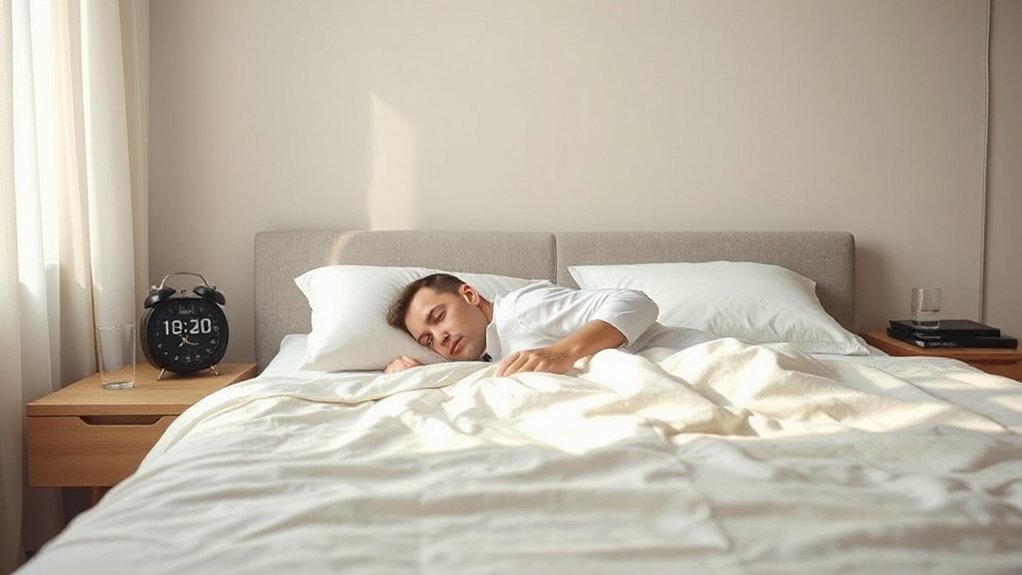
When you keep your bedtime and wake time consistent—even on weekends—you reinforce your circadian rhythm, which improves sleep continuity, efficiency, and daytime alertness. You should determine your chronotype and schedule sleep windows that align with it, promoting chronotype alignment and reducing internal circadian conflict. Consistency minimizes social jetlag caused by divergent work and leisure sleep patterns, which has been linked to metabolic and mood disturbances. Implement fixed sleep and wake anchors within 15–30 minutes, use progressive adjustments of 15 minutes when shifting, and prioritize nightly duration sufficient for restorative sleep. Track sleep timing for two weeks to identify variability and correct deviations. Clinically, these practices increase sleep stability, daytime performance, and physiological recovery in men. Follow clinician guidance for comorbid conditions affecting sleep timing regularly.
Create a Sleep-Optimized Bedroom
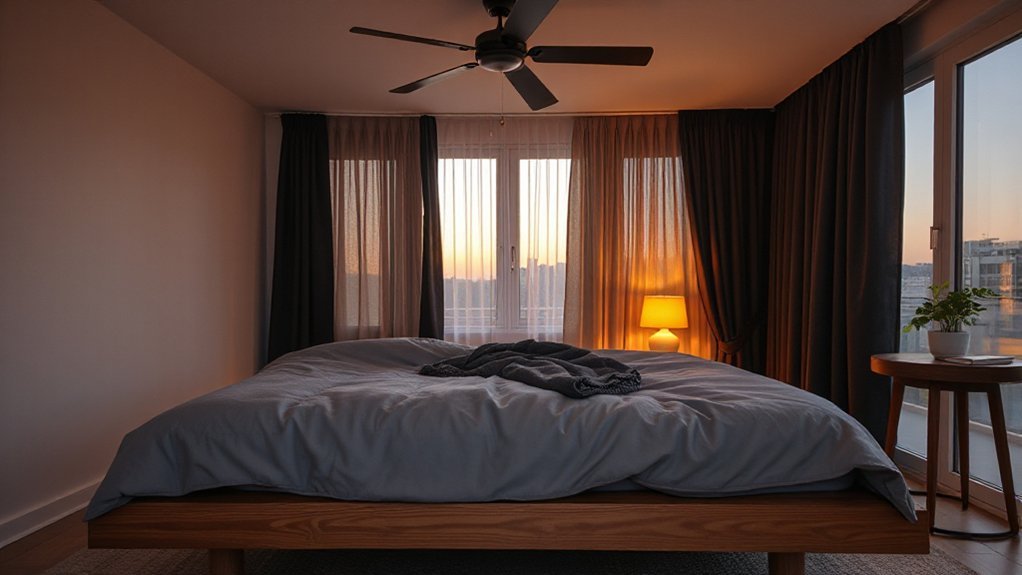
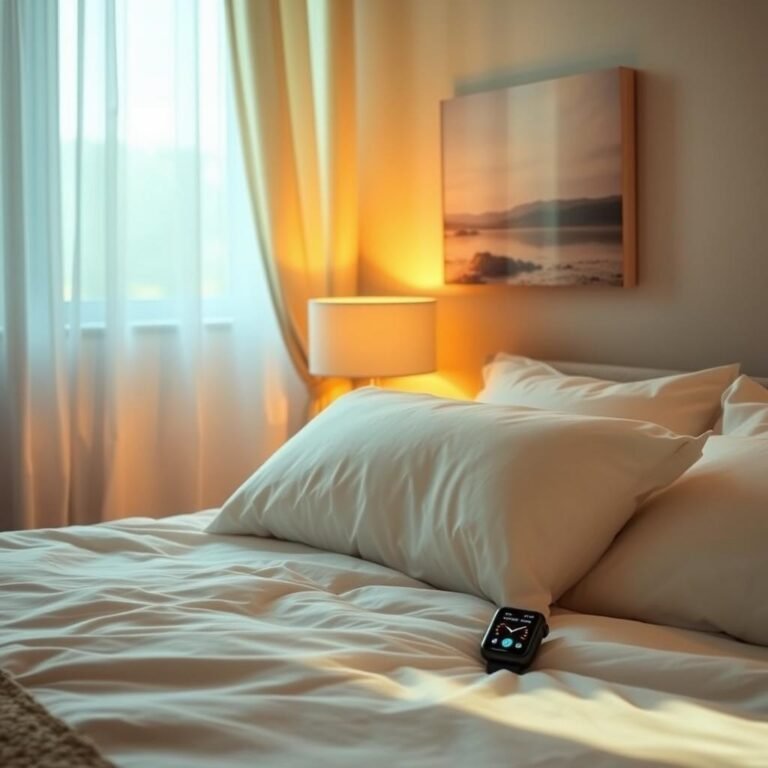
Because your sleep environment strongly influences circadian signals and sleep continuity, you should optimize light, noise, temperature, and bedding to support restorative sleep. Arrange blackout curtains, minimize irregular lighting, and choose dim, warm bedside lamps to reinforce night physiology. Reduce disruptive sounds by using consistent ambient soundscapes—low-level fans or engineered noise generators—to mask transient disturbances and improve sleep consolidation. Aim for thermal comfort: maintain bedroom temperature near 16–19°C (60–67°F) and use breathable bedding to support core temperature decline. Select a mattress and pillows that preserve spinal alignment and reduce pressure points. Declutter and reserve the bedroom for sleep and intimacy to strengthen context-dependent sleep cues. Evaluate changes objectively with sleep logs or actigraphy to measure improvements and guide adjustments and consult clinicians when needed.
Limit Evening Screen Time and Blue Light
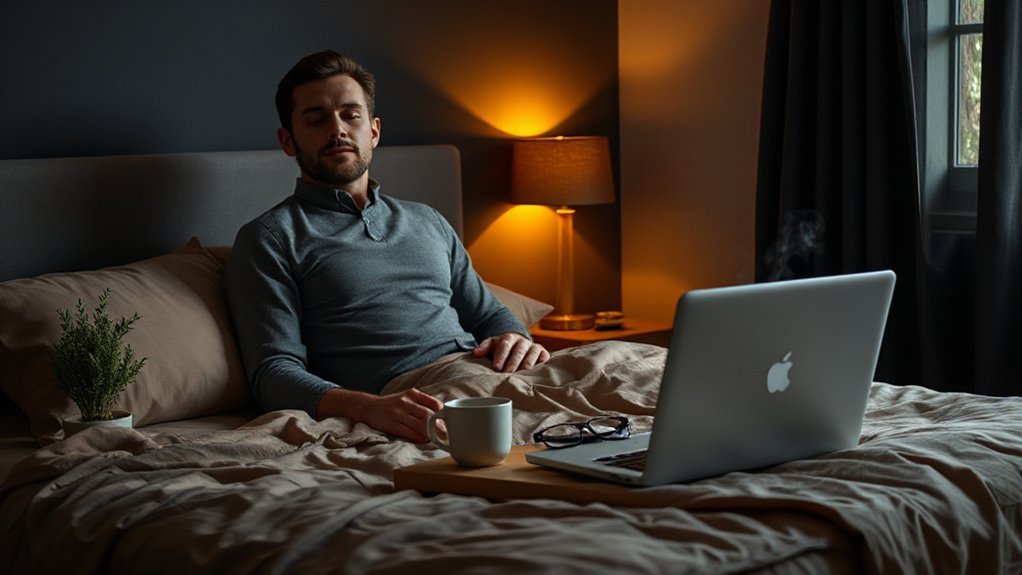
Although short-wavelength (blue) light from screens directly suppresses melatonin and shifts circadian timing via intrinsically photosensitive retinal ganglion cells, you can blunt its effects with targeted changes to evening behavior and devices. Limit exposure after dusk: stop nonessential screen use 60–90 minutes before bed when feasible. Enable Night Mode or use low-blue filters on phones and tablets to reduce spectral blue output; evidence shows modest improvements in melatonin onset and subjective sleepiness. Silence or mute App Notifications to prevent nocturnal arousal and micro-awakenings. Prefer e-readers with warm backlight or paper. For shiftworkers or those with persistent insomnia, consider short-term blue-blocking glasses in the evening under clinician guidance. Track sleep timing after changes and adjust interventions based on objective or validated subjective measures regularly monitored.
Develop a Wind-Down Routine
If you want reliable sleep onset, establish a brief, consistent wind-down routine that signals your brain it’s time to shift into sleep mode.
| Routine step | Purpose |
|---|---|
| Calming reading | Lowers alertness |
| Personal grooming | Signals end of day |
| Dim lights | Reduces melatonin suppression |
| Light stretching | Relieves tension |
You’ll perform predictable behaviors—turning down lights, calming reading for 15–20 minutes, and personal grooming—to reduce arousal and cue circadian processes. Keep the routine 20–45 minutes and stable nightly; clinical studies show consistency improves sleep latency. Avoid stimulating activities or bright screens. Use low, warm lighting and brief stretching. Track timing and components for two weeks to evaluate effectiveness and adjust elements that don’t reliably precede sleep. Consult a clinician if sleep onset remains problematic despite consistent routines and objective monitoring. Consider CBT-I referral.
Manage Stress and Evening Anxiety
When evening stress keeps you awake, it’s usually because heightened arousal—cognitive rumination and HPA-axis activation—raises cortisol and sympathetic tone, which delay sleep onset and fragment slow-wave and REM sleep. You can reduce nighttime hyperarousal by scheduling a brief worry scheduling session 60–90 minutes before bed: write concerns, assign time limits, and postpone problem-solving to the next day. Use cognitive reframing to challenge catastrophizing thoughts and replace them with balanced, evidence-based alternatives. Combine these with diaphragmatic breathing and progressive muscle relaxation to lower heart rate and sympathetic activity. If anxiety persists, consider brief CBT-I techniques or consult a clinician for targeted therapy and, if indicated, short-term pharmacologic support. Monitor outcomes and adjust strategies based on objective sleep measures and symptom response. Document changes and improvements.
Optimize Nutrition and Evening Meals
To support sleep continuity and sleep onset, aim to finish your main evening meal 2–3 hours before bed and choose a balanced, moderate-sized plate—lean protein, complex carbohydrates, and vegetables—while limiting high-fat, spicy, or very large meals that increase nocturnal gastrointestinal symptoms and arousals. For men, prioritize light dinners with easily digested proteins (fish, poultry, tofu) and complex carbs (whole grains, sweet potato) to stabilize blood glucose and reduce sympathetic activation. Don’t consume heavy alcohol, large servings, or late caffeine, which fragment sleep architecture. If you need a snack within an hour of bed, choose low-fat, low-sugar options combining protein with carbs (yogurt with banana). Monitor patterns and adjust timing or content; consult a clinician if nocturnal reflux, pain, or persistent insomnia continue despite dietary changes.
Use Exercise to Improve Sleep Quality
Engaging in regular aerobic and resistance exercise measurably improves sleep quality, increases total sleep time, and reduces sleep-onset latency and insomnia symptoms in men, with randomized trials showing moderate-to-vigorous activity yields the largest benefits. You should schedule consistent sessions combining morning cardio and evening light activity, avoiding high-intensity workouts too close to bedtime; morning cardio particularly shifts circadian phase earlier, enhancing nocturnal sleep drive. Incorporate Strength training two to four times weekly to increase slow-wave sleep and improve sleep efficiency via metabolic and hormonal adaptations. Prioritize progressive overload, adequate recovery, and consistent timing; track sleep with objective measures when possible to assess response. If you have chronic conditions, consult a clinician before initiating intense programs to promote safety and optimize outcomes and get guidance.
Monitor Caffeine and Alcohol Intake
To protect sleep continuity, limit caffeine after mid-afternoon since its stimulant effects can persist for several hours. Time your last alcoholic drink at least 3–4 hours before bed because alcohol may initially sedate but later fragments REM sleep and causes nocturnal awakenings. Also check for hidden caffeine in pain relievers, chocolate, and energy drinks so you can accurately assess your intake.
Limit Evening Caffeine
Because caffeine’s half-life averages 3–7 hours and varies by individual, late-day consumption can delay sleep onset, decrease deep sleep and REM, and increase nighttime awakenings; you should avoid caffeine within about 6 hours of bedtime and consider an earlier cutoff (8–10 hours) if you’re sensitive. Assess intake clinically: document sources (coffee, tea, energy drinks, medications), note timing, and recognize that Caffeine metabolism differs person to person due to Genetic sensitivity and hepatic enzymes. Reduce evening exposure, swap to decaf or herbal options, and track sleep with objective measures regularly.
- Prefer decaffeinated beverages after mid-afternoon.
- Limit hidden caffeine in medications and supplements.
- Use sleep logs or wearable data to correlate intake and sleep.
- Consult clinicians if stimulants impair sleep.
- Consider genotype-informed guidance for high sensitivity.
Time Your Last Drink
After curbing evening caffeine, pay equal attention to when you stop both caffeinated and alcoholic drinks, since timing affects sleep onset, architecture, and fragmentation. Aim to finish caffeine at least six hours before bedtime and alcohol three to four hours prior; metabolism varies, so you’re to treat them as minimums. Alcohol may reduce REM early but fragment later sleep; caffeine prolongs sleep latency and reduces slow-wave sleep. Also consider nocturia risk: alcohol and late fluids interact with bladder capacity and suppression of antidiuretic hormone. ADH rhythm shifts overnight, so late drinking can increase nocturnal urine production and awakenings. Track timing and symptoms for weeks, adjust intake relative to your regular sleep schedule, and consult a clinician if nocturia or persistent insomnia continues despite behavioral changes.
Watch Hidden Caffeine Sources
While you may assume only coffee matters, many foods, beverages, and medications contain caffeine that can disrupt sleep; caffeine’s half-life typically ranges 3–7 hours and individual sensitivity varies, so even afternoon intake can delay sleep onset and reduce slow-wave sleep. You should scan labels, decode Marketing claims, and monitor intake from tea, chocolate, energy bars, pain meds, and pre-workout supplements. Alcohol fragments sleep architecture and may mask nighttime awakenings; avoid coupling it with late caffeine. Use Label decoding to calculate mg and set a personal cutoff—often 200–300 mg by mid-afternoon. Track timing and symptoms.
- Check product labels for mg
- Spot euphemisms (guarana, kola)
- Compare “natural energy” claims to mg
- Include prescription and OTC stimulants
- Choose decaf or water after midday
Consult your clinician promptly.
Consider Sleep-Boosting Supplements Wisely
Although many men turn to over-the-counter supplements to improve sleep, evidence for benefit and safety varies and you should treat them like medications. Before starting any supplement, consult your clinician to review interactions with prescriptions and comorbidities. Rely on products with ingredient transparency and third-party testing to avoid contaminants and inconsistent dosing. For commonly used agents—melatonin, magnesium, valerian—interpret clinical evidence cautiously: benefits are modest, dose- and population-dependent, and adverse effects occur. Start with the lowest effective dose for short trials, document response and side effects, and discontinue if no improvement. Avoid proprietary blends without clear labeling. If you have sleep apnea, depression, or cardiovascular disease, prioritize medical evaluation over self-prescribing supplements. Use evidence-based guidance and reassess regularly with your healthcare provider every three months.
Track Sleep Patterns and Adjust Habits
Recording your sleep patterns gives objective data to identify causes of poor sleep and to guide targeted habit changes. You should collect nightly metrics with validated devices, perform sensor calibration per manufacturer instructions, and keep a concise sleep log. Regular review supports evidence-based adjustments to bedtime, caffeine, and activity. Focus on actionable changes, not raw numbers. Use structured data interpretation: look for trends in total sleep time, sleep efficiency, awakenings, and circadian timing. Consult a clinician when patterns suggest sleep disorder. Small, consistent habit shifts yield measurable gains.
- Use validated trackers and note device updates.
- Calibrate sensors after firmware changes.
- Log alcohol, caffeine, and exercise.
- Chart weekly averages for trend analysis.
- Share data with a sleep specialist.
Track changes for four weeks minimum.


Leave a Comment