

You can build calm and focus in just minutes each morning, even if your routine’s rushed or unpredictable. Start with short breathwork, a quick body scan, a few mobility moves, and a tiny planning ritual. Research links brief rituals to less reactivity and clearer decisions, and they get easier with practice—and I’ll offer a simple sequence that fits even the busiest mornings.
Quick Breathwork to Start Your Day
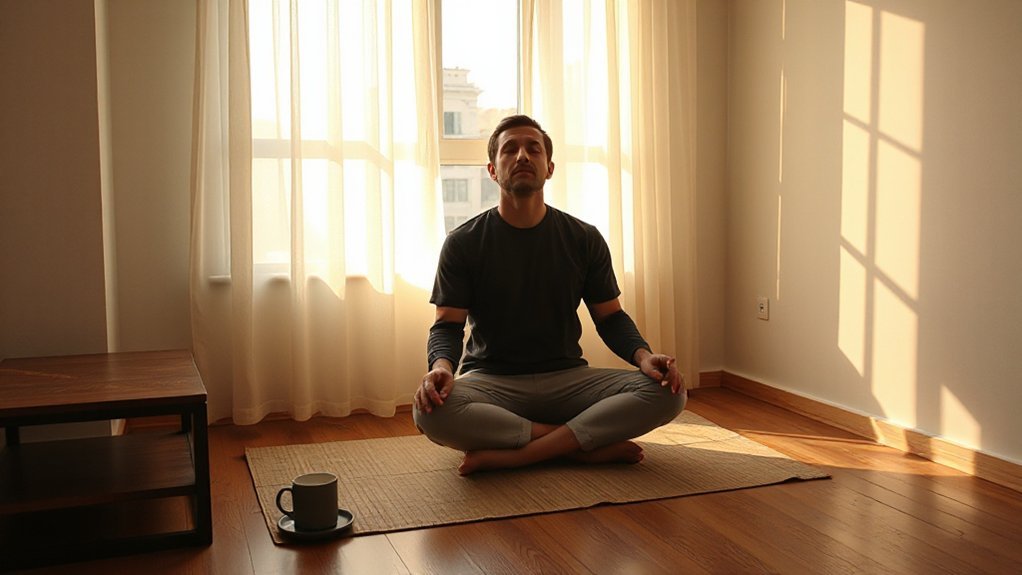
How do two minutes of simple breathing change your morning? You sit or stand, close your eyes if you like, and choose a pattern that fits: Box Breathing—inhale four, hold four, exhale four, hold four—offers structure when stress feels scattered. Coherent Breathing invites slower rhythm, about five breaths per minute, to nudge heart rate variability toward balance. Both techniques shift physiology quickly: breathing slowly calms your nervous system, improves focus, and lowers reactivity. You don’t need perfect form; consistency matters more than precision. Start small, practice two minutes, and note subtle differences in mood and clarity. If your mind wanders, return kindly to the breath. Over time, brief breathwork builds resilience without taking over your morning, and supports better sleep and decision-making over weeks.
Two-Minute Body Scan for Grounding
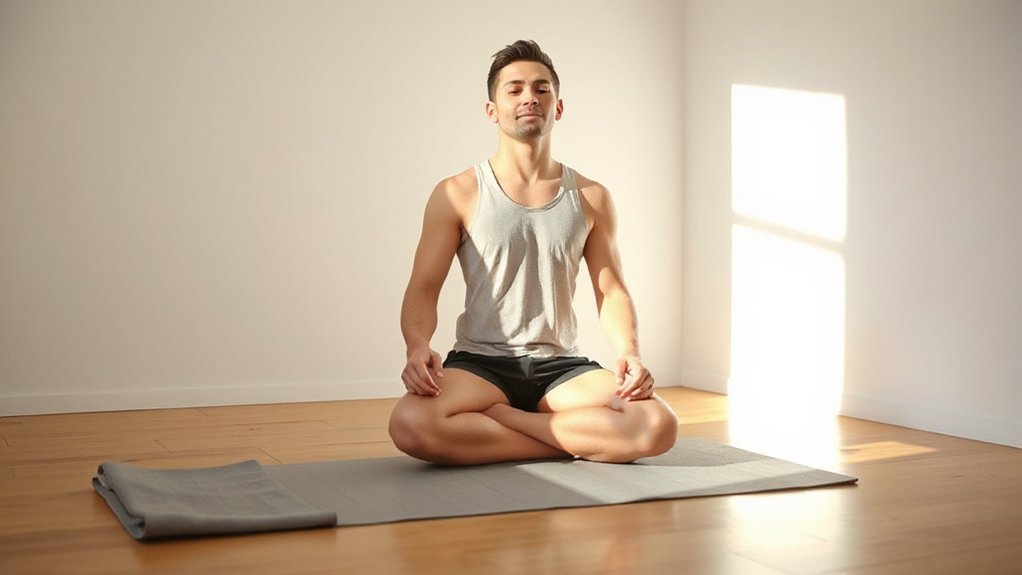
You can start with one minute of quiet breath awareness to settle your nervous system and bring attention to the present. Then use the remaining minute for a feet-to-head scan, noticing sensations in each area without judging them. This brief, evidence-informed routine helps reduce stress and sharpen focus, and you can adapt it to what feels right.
Quick Breath Awareness
Although mornings rush in, spend two minutes with a simple breath-focused body scan to ground yourself and reduce stress; this brief practice, supported by research on quick mindfulness exercises, helps bring attention to bodily sensations and calm your nervous system. Sit comfortably, close your eyes if you want, and bring a gentle nasal focus to each inhale and exhale. Move through your chest and belly with quiet noticing, not judgment, observing temperature, movement, or tension. If your mind wanders, label “thinking” and return to the breath. Evidence shows short, repeated practices lower stress and improve attention. You don’t need perfect stillness—consistency matters more. Finish by taking a deliberate breath and setting a simple intention for your day. Practice this daily to build resilient focus.
Feet-to-Head Scan
When mornings feel scattered, try a two-minute feet-to-head body scan to ground yourself and bring attention back into the present. Sit or stand comfortably, close your eyes, and take three slow breaths. Shift your focus to your toes and feet, noticing sensations without judgment; move up through ankles, calves, knees, thighs, hips, abdomen, chest, hands, arms, shoulders, neck, jaw, and scalp. Use gentle sensory mapping—name temperature, pressure, tingling, or stillness—to anchor awareness. If you detect tightness, breathe toward it and imagine gradual tension release on the exhale. Keep a patient, curious stance; sensations will change. Two minutes is enough to reset habits, reduce reactivity, and start the day more centered and clear. Practice daily to build resilience, steadiness, and calmer responses over time consistently.
Mindful Movement: Stretching and Mobility

Since a few gentle, intentional movements can reduce stiffness, improve circulation, and prime your nervous system for the day, begin with slow stretches that link breath and motion. You’ll flow through dynamic mobility exercises—leg swings, hip circles, spine rotations—using controlled tempo and mindful attention to sensations. Focus on posture alignment: lift your chest, soften your shoulders, lengthen your neck while you breathe. Move with curiosity, not force; notice restrictions and ease into range. Short sequences of five to ten minutes improve flexibility, balance, and readiness for tasks, and research supports gradual mobilization over sudden strain. Finish with standing reaches and ankle rolls to ground yourself. Keep routines simple, consistent, and adapted to your body; small, regular practice builds durable benefits. Start gently every morning.
Cold Splash or Contrast Shower for Clarity
Stepping into a cold splash or finishing your shower with alternating hot and cold bursts can sharpen your focus and wake up your body without a caffeine hit. You’ll notice immediate Thermal Alertness as skin receptors trigger alert systems; studies link brief cold exposure to improved mood and clarity. Start gently: ten to thirty seconds cold after warm washing, repeat once or twice, always within your comfort and health limits. The rapid temperature shift encourages Vascular Stimulation, promoting circulation and a clearer-headed feeling. Breathe steadily, anchor attention to sensations, and observe how your mind calms even as your body primes for the day. If you have cardiovascular or respiratory conditions, check with a clinician before trying contrast showers. Start slow and trust your pace.
Intentional Morning Planning and Prioritization
If you spend ten focused minutes each morning mapping two or three priorities, you’ll set a calm, productive tone for the day and reduce reactive scrambling. Use Priority Mapping to choose meaningful tasks, then apply Time Blocking to protect focus. Be kind to yourself; small, consistent choices improve momentum. Keep entries simple and realistic so you don’t overload.
| When | Priority | Block |
|---|---|---|
| 6:30–7:00 | Exercise | 30m |
| 7:00–7:30 | Plan work | 30m |
| 9:00–10:30 | Deep work | 90m |
| 17:00–17:30 | Family | 30m |
Review your list mid-day and adjust without judgment; flexibility sustains progress. If interruptions come, return calmly to your Time Blocking plan and re-prioritize with Priority Mapping — this builds resilience and reduces overwhelm over weeks. Track small wins; evidence shows they reinforce habit and reduce stress. Stay gentle, keep going.
Gratitude Check-In to Shift Perspective
Start your morning with a simple gratitude ritual—three things you’re thankful for—to prime your brain for positivity. Quickly note a small-wins inventory, like finishing a task or showing up, which research links to improved motivation and mood. Also acknowledge one challenge you’re grateful for, since reframing difficulties as learning opportunities can build resilience.
Morning Gratitude Ritual
Often a brief gratitude check-in each morning helps you shift perspective before the day picks up momentum. Keep it simple: sit with a cup, name three things you appreciate, and notice physical sensations. Research links short gratitude practices to improved mood and resilience, so you’re investing minutes that pay off. Consider writing a Gratitude Letter when you feel stuck — you don’t have to send it; the act clarifies and soothes. Create a small Altar Space or a dedicated corner with an object that anchors your intention, and use it as a cue to pause. Be gentle with yourself if gratitude feels forced; curiosity works better than pressure. Repeat this ritual consistently, and you’ll likely notice calmer mornings and clearer priorities over weeks and months.
Small Wins Inventory
After a brief gratitude check-in, try a Small Wins Inventory to catch progress you might overlook and build momentum for the day. Spend three to five minutes noting Micro Victories — emailed someone, made a healthier choice, completed a small task. Research shows acknowledging small gains boosts motivation and mood, so this isn’t fluff; it’s practical. Keep a simple Progress Log, digital or paper, updating it daily so you can see patterns and growth over time. Be gentle: you won’t list everything, just meaningful steps that shifted your day. This practice reframes your focus from what’s missing to what’s moving forward, creating steady reinforcement that compounds into larger confidence and consistent action. Review weekly to adjust goals and celebrate accumulated effort and small wins.
Gratitude for Challenges
When you pause to name what a tough moment taught you or what it revealed about your limits, you shift how your brain interprets stress—and that shift matters. In a brief morning check-in, notice one challenge from yesterday and state what it taught you and which strength you used. This Growth Acknowledgment doesn’t deny pain; it reframes experience as information that guides action. Research ties gratitude practices to resilience, so pairing thankfulness with honest appraisal—Adversity Appreciation—reduces rumination and boosts problem-solving. Say aloud: “I’m grateful for this difficulty because it showed me X and helped me practice Y.” Keep it specific, kind, and factual. Over time these small reframes change your outlook, making stress a teacher rather than just a threat. Use this daily habit.
Single-Task Focus Exercise Before Screen Time
If you take two minutes before you touch a screen, you give your brain a clearer start and reduce the habitual scatter that smartphones and notifications create. Use that brief Decision Pause as a deliberate Screen Buffer: sit, breathe, and notice body tension and intention. Name one task you’ll do first and keep your attention there for five deep breaths. If distracting thoughts pop up, acknowledge them without judgment and gently return to your chosen task. Research links short pauses to improved focus and reduced stress, so this practice isn’t just polite to your mind — it’s practical. Do it consistently and you’re more likely to resist reactive scrolling, prioritize what’s important, and begin your day with calm purpose and feel steadier overall daily.
Short Walking Meditation to Transition Into Work
Because your body and brain respond to gentle movement, a short walking meditation can be a simple, science-supported bridge from home life into focused work: step outside or move through a quiet room for 5–10 minutes, keeping your pace natural and bringing attention to the feeling of your feet, breath, and the sounds around you. You’ll use a Doorway Pause before leaving a room or adopt a Commute Shift ritual at the door to mark shift into work. Notice posture briefly, ground contact, and inhale-exhale rhythm without judging wandering thoughts. Research links brief movement and focused attention to better cognitive readiness; consistent practices help. Keep it short and kind to yourself—this tiny ritual signals intention and helps you start tasks from calm, not autopilot.





Leave a Comment