

You’ll wake more gently when you guide your first moments with intention. Small anchors—three breaths, a single prayer, a quiet sip of water—steady the heart and open your attention. These tiny commitments reshape your day and invite a deeper calm, if you let them become steady companions…
Why Morning Rituals Support Spiritual Growth
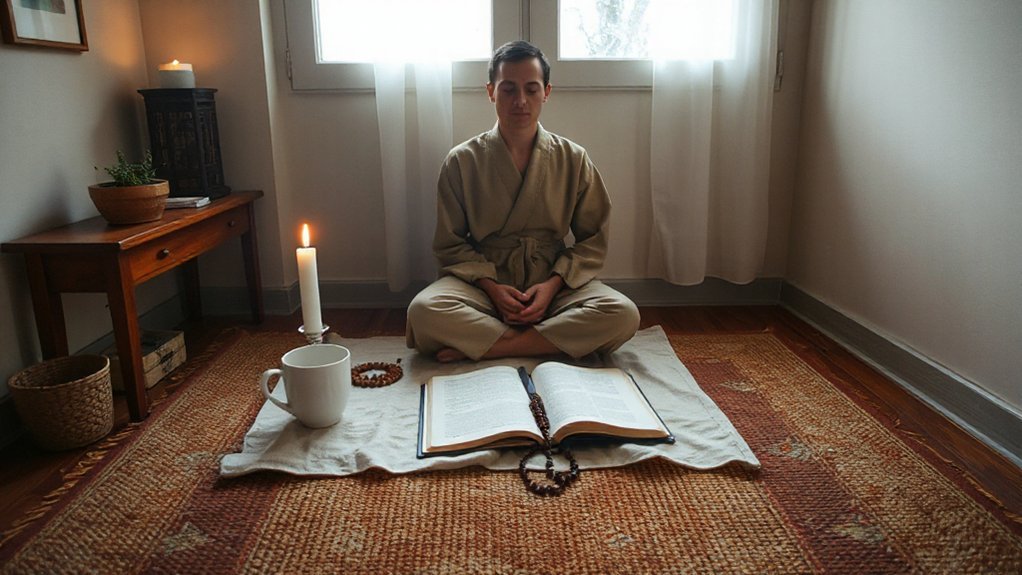
When you rise before the day’s noise, a simple morning ritual anchors your spirit and clears the horizon for what matters most. You breathe in fields of quiet, letting thought settle like dew; this steady practice reshapes neural pathways, offering Neuroplastic benefits that make calm habitual. You till the inner soil, planting attention and gratitude so small joys grow into lasting perspective. Rituals connect you to place and pulse, fostering Community connection when shared or reflected upon, sustaining belonging beyond solitude. In the hush you learn to choose intention over reaction, to meet each hour with steadiness. These early habits become a gentle cartography for your days, guiding choices from a grounded, generous center. They steady your spirit and deepen meaning in ordinary moments.
Creating a Gentle Wake-Up Practice

Easing into the day with slow breaths and gentle movements helps you meet morning rather than be seized by it. You choose a gentle alarm that rises like a meadow song, never jarring your senses. Before rising, you pause and notice the hush; the room keeps soft lighting that eases edges and gathers your attention. You shift with intention—stretching toward the window, planting feet on the floor, offering thanks for another day. These small, steady acts frame the hours to come, inviting calm, clarity, and presence. You move slowly through simple rituals: washing your face, dressing, sipping water with mindful care. Each deliberate motion anchors you in the present, making your wake-up a tender sacrament. Let nature’s light and quiet guide your first choices.
Breathwork and Mindful Breathing Techniques

Breathing slowly into the morning can become your first prayer: you draw air with conscious care, feel it pass through your chest and belly, and let each exhale release tension into the quiet. You settle beneath soft light and attend to breath like a shepherd tending lambs, noticing rhythm without force. Try simple practices that anchor attention:
- Begin with Box breathing: inhale four, hold four, exhale four, hold four, returning to stillness.
- Use Coherent breathing to smooth heart and mind, aiming for around five breaths per minute.
- Counted diaphragmatic breaths to wake inner calm and steady presence.
You let each cycle open space for gratitude and gentle clarity, choosing breath as companion for the day ahead. You return to it whenever you need grounding.
Short Movement Practices to Ground the Body
After you’ve rooted yourself in slow, attentive breathing, gentle movement will anchor awareness in the body like sunlight coaxing shoots from soil. Stand or sit with soft knees and begin with ankle circles, tracing deliberate arcs that bring sensation to feet and ground. Move upward into small hip circles, sensing the pelvis cradle your center and release held tension. Flow between these simple practices for three to five minutes, letting breath guide range and tempo. You’ll notice thoughts settle as connective warmth spreads through joints and fascia. These brief rituals cultivate presence, steady posture, and a felt sense of belonging in your body before you step into the day. Invite a slow gratitude for sensation, honoring how small motions root you in living grace.
Morning Prayer and Devotional Practices
Begin your morning with brief prayers that center your heart and set a gentle tone for the day. Follow with a guided reading of scripture to receive a focused word for your journey. Finish in silent contemplative meditation, resting in God’s presence as you listen and receive.
Short Morning Prayers
When you lift a few short morning prayers, you steady your heart and set a gentle tone for the day; these brief offerings don’t need many words to reconnect you with what matters. You breathe, name gratitude, and offer quiet intention before tasks begin. Across traditions, Cultural variations and the Historical evolution of brief prayers show simplicity brings depth. Keep them portable, honest, and repeatable so they’ll root in daily life.
- A three-line gratitude: thankfulness, request, surrender.
- A breath-based centering: inhale blessing, exhale release.
- A one-sentence dedication: for others, for courage.
You’ll find these tiny practices steady the mind, soften resentment, and call you gently toward presence. Practice them daily, and you’ll notice a quieter rhythm shaping ordinary moments into meaning.
Guided Scripture Reading
How might guided scripture reading deepen your morning prayer and steady your heart for the day? You begin by choosing a short passage, reading slowly, and noting an image or phrase that draws you. You reflect on context and literary analysis—how genre, structure, and voice shape meaning—then breathe and pray into what arises. You’ll also attend to translation differences, comparing renderings to hear fresh shades of truth. Invite questions rather than forcing answers; let the text speak while you respond honestly. Use brief prompts: What surprises me? Where do I long to change? Who needs this grace today? This practice roots you in scripture’s life, shaping intention for the hours ahead. Return regularly, tenderly, to the scripture, and let its wisdom steady you always.
Silent Contemplative Meditation
Although the dawn is quiet, you’ll still the rush of tasks and sit in a spacious silence that invites God’s presence; in those still moments of contemplative meditation you listen more than you speak, letting attention rest gently on breath, a single phrase, or the felt awareness of God’s nearness. You open to nondual awareness, noticing unity beyond your fragmented thoughts, and you practice thought labeling to release what grips you. Stay attentive, kind, and patient as you return to presence when distractions arise. Let your heart pray without words, trusting God meets you there. Simple practices to begin:
- Breathe slowly for five minutes, anchoring attention.
- Repeat a sacred phrase, soft and steady.
- Label passing thoughts, then let them go.
Receive grace in silence.
Journaling Prompts for Clarity and Intention
In the quiet of morning, you can use simple clarity prompts to settle your thoughts and notice what truly matters. With intentional journaling prompts, you set gentle intentions for the day and choose how you’ll show up. These short practices guide you to an uncluttered mind and a purposeful path as sunlight moves through your room.
Morning Clarity Prompts
Why not greet the day with a quiet question and a pen, letting the soft light settle your thoughts before the world stirs? You place the cup beside you, noting Light Exposure and a brief Hydration Check, then ask what clarity seeks today. In the hush you jot three simple prompts to center intention and notice feeling.
- What feels alive in me this morning?
- What small action calms or clears my path?
- Where do I need gentleness today?
These prompts guide you toward plain truth without pressure. You listen for honest answers, let breath steady the pen, and walk into morning with clearer eyes and steadier feet. Keep this practice brief; a few honest lines will reshape your day and deepen simple gratitude today.
Intentional Journaling Prompts
How might you let a few intentional prompts shepherd your morning toward quiet purpose? You settle with a pen, breathe, and invite questions that draw out clarity: What asks steady the day? Which small kindness will you practice? Where does gratitude open you? Use prompt sequences for creative exploration, letting one answer lead to another, like paths through dew. You note recurring threads, practicing gentle theme mapping to reveal priorities and patterns. Keep prompts short, specific—one line to start, one to reflect. You won’t solve everything, but you’ll anchor attention, choose intention, and trace subtle shifts over weeks. This ritual remains simple, a pastoral pause that steadies the heart and guides mindful action. Return to it each morning, and watch your inner landscape change.
Cultivating Silence and Presence
Though the morning light is soft, you’ll find cultivating silence shapes the rest of your day: a held breath, a steadied heart, and an open awareness that lets wonders speak. You settle into Inner Stillness, listening to the hush between bird calls and distant chores. You cultivate Sensory Awareness, noting cool air on skin, the faint smell of earth, the weight of your breath. This practice centers you; it loosens tension and sharpens presence. Try these simple approaches to begin:
- Sit for five uninterrupted minutes, focusing on inhalation and exhalation.
- Walk slowly, naming three sensations you feel without judging.
- Pause before each task to feel where attention rests.
Consistent silence becomes a pasture where clarity grows and choices arise from calm.
Simple Rituals for Gratitude and Appreciation
In the quiet of morning, you can open a small gratitude journal and note three things that steady your heart. Then you can pair that written offering with a few slow appreciation breaths, inhaling what nourishes you and exhaling thanks. These simple acts root you in presence and teach your spirit to recognize blessing in the ordinary.
Gratitude Journaling
Why not begin each morning with a quiet page where you name what stirs gratitude in your chest? You sit with a pen, gentle light on paper, and practice Memory Retrieval to bring small, overlooked gifts forward. Use Sensory Mapping: note a scent, a sound, the warmth on your skin. This ritual roots you in presence, gives language to simple abundance, and shapes compassionate attention.
- List three small moments from yesterday.
- Describe one texture, one sound, one scent that comforted you.
- Write a short sentence of thanks directed outward.
Keep entries brief; let the page be a field you tend, not a chore. Return tomorrow. Soon you’ll notice a quieter heart and kinder gaze toward ordinary days each unfolding morning faithfully.
Appreciation Breathwork
Breathing with intention anchors you to small, luminous moments—draw a slow inhale that gathers a memory, hold to feel its shape, then release as a soft thank-you into the world. In the quiet of morning, you sit among pale light and listen to how breath maps gratitude across body and mind. Your practice traces neural mechanisms that calm alarm, deepen vagal tone, and invite presence. You follow a lineage of simple offerings; in historical context, many traditions paired breath and thanks as a daily tending. With three measured inhales and long exhales, you let appreciation settle into bones. You cultivate attention without effort, letting each breath teach you how to see ordinary beauty and respond with steady, gentle thanks and open to morning’s grace.
Adapting Rituals for Busy Mornings
When your morning feels rushed, let a few small, steady practices root your day like dew on grass: you can shorten a full ritual to three breaths, a single intention, or a quiet stretch, and still carry its calm into everything that follows. You move through doorway light with gentleness, choosing Commute Rituals that turn travel into meditation and Pocket Practices that fit your palms between tasks. Whisper a single anchor word, feel the body align, notice breath. Carry a pebble of presence in your pocket. Simple acts fold spaciousness into urgency.
- Set one intention.
- Breathe three soft breaths.
- Stretch arms toward the sky.
These small rites steady you, a field held in a single hand and guide your day gently.
Building Consistency With Compassion
You don’t have to be perfect to practice; tending a ritual is like tending a garden—steady, forgiving, and attentive. You plant small habits, water them each morning, notice what thrives and what needs pruning. You cultivate Kind Consistency by returning without judgment, making tiny promises you can keep. When you falter, choose Gentle Accountability: check in with yourself, name what shifted, adjust the pace. In this quiet tending you learn patience, and rituals become living soil for your spirit. Let compassion shape your schedule so devotion feels nourishing, not punitive. Over time, those modest acts root into a rhythm that steadies your days and opens you to deeper presence. Return to these practices gently each morning, honoring progress while forgiving setbacks and choosing renewal.






Leave a Comment