

You’ll find simple lemon water can support things that matter for women’s health: immune function via vitamin C, better nonheme iron absorption, hydration and mild appetite control, plus skin and digestive benefits. The effects are modest and context-dependent, so you shouldn’t expect a cure-all. Here’s what the evidence shows.
How Lemon Water Supports Immune Function
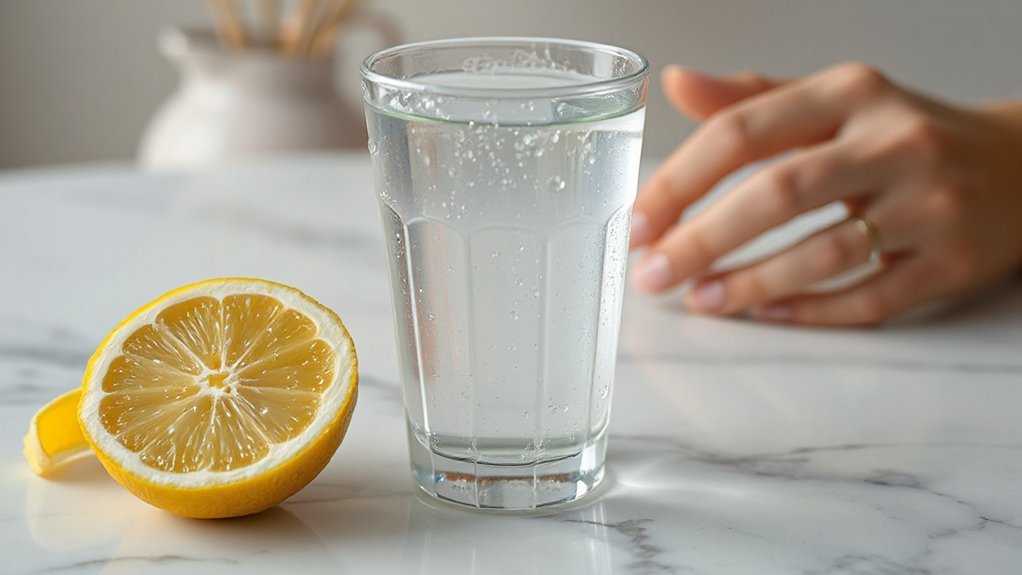
Boost your immune defenses with lemon water by delivering a quick source of vitamin C and bioactive flavonoids that support innate and adaptive responses. You can use a daily 200–300 ml glass of warm or room-temperature lemon water to supply ascorbate that aids neutrophil function and supports mucosal immunity in the oropharynx and upper respiratory tract. Flavonoids like hesperidin and eriocitrin exert antioxidant effects and may influence cytokine modulation, reducing excessive proinflammatory signaling while preserving pathogen clearance. Use this as an adjunct to vaccination, sleep hygiene, and hand hygiene; it won’t replace clinical therapies. If you take immunomodulatory drugs or have autoimmune disease, consult your clinician before starting regular high-dose supplementation. Dosage should reflect dietary needs, pregnancy status, and concurrent vitamin intake and clinical factors.
Enhancing Iron Absorption in Women
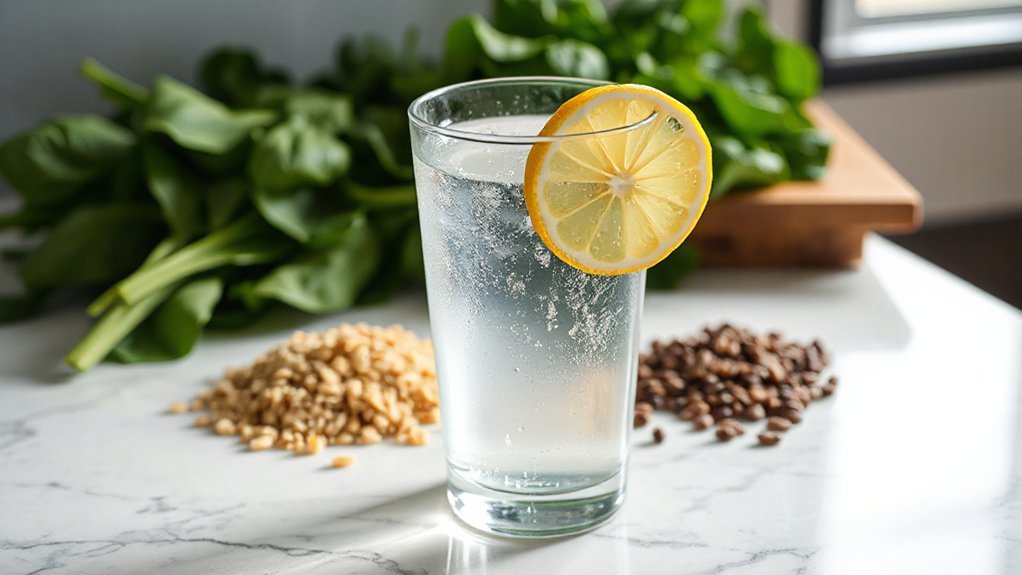
You can use lemon water‘s vitamin C to increase nonheme iron absorption from plant-based sources. Drink a small glass with meals or add lemon to beans, lentils, or fortified cereals to enhance iron uptake. If you’re at risk for iron deficiency, coordinate lemon water with iron-rich meals and discuss timing and dose with your clinician.
Vitamin C Boost
Because nonheme iron from plant foods is poorly absorbed, consuming vitamin C with meals markedly increases iron uptake by reducing ferric iron to the more absorbable ferrous form and forming soluble iron–ascorbate complexes. You can use lemon water as a practical vitamin C source; a 50–100 mL squeeze provides 15–30 mg ascorbic acid per serving, sufficient to enhance absorption in many studies. Consider Storage Effects: prolonged storage of prepared lemon water reduces vitamin C content, so prepare fresh or refrigerate briefly. Pay attention to Extraction Methods: cold-pressing preserves more ascorbic acid than heating. Clinically, suggest consistent timing with meals and measure hemoglobin and ferritin to monitor response. Advise modest consumption to avoid dental erosion and GERD symptoms. Discuss supplementation if dietary intake remains inadequate.
Pair With Iron Foods
When you pair a vitamin C source like a fresh squeeze of lemon water with iron-containing meals, you’ll markedly increase nonheme iron absorption by promoting reduction to ferrous iron and forming soluble iron–ascorbate complexes. You should routinely add lemon water to plant-based iron sources (lentils, spinach, fortified grains) to enhance bioavailability; clinical studies show two- to threefold increases in absorption with vitamin C co-ingestion. For practical Culinary Pairings, use lemon water as a finishing touch or dressing component rather than cooking out vitamin C. Use Taste Balancing—combine acidity with fats or herbs to improve palatability and nutrient uptake. Avoid inhibitors (tea, calcium supplements) around meals. Monitor iron status with periodic labs and discuss dosing or supplementation with your clinician, as clinically indicated for safety.
Hydration and Metabolic Health

Using lemon water to meet your daily fluid needs can improve your hydration status, which is associated with better thermoregulation and cardiovascular function. Proper hydration supports metabolic processes like nutrient transport and substrate oxidation, and even modest dehydration can impair these functions. Making water more palatable with lemon may help you increase intake and support metabolic health without adding calories.
Enhanced Hydration Status
Maintaining adequate hydration supports metabolic function, and lemon-flavored water can make it easier for you to meet daily fluid needs by improving taste and encouraging more consistent drinking. You’ll likely increase total intake when flavor reduces aversion to plain water, which helps maintain Fluid Balance and promotes Cellular Hydration at the tissue level. Clinically, modest increases in fluid intake improve markers like urine specific gravity and plasma osmolality; lemon water is a practical aid to achieve that without added calories. Aim for scheduled sips throughout the day, adjusting for activity, ambient temperature, and medications that affect diuresis. Monitor urine color and frequency as objective, low-burden measures to confirm hydration targets and guide incremental adjustments. Also consult your healthcare provider promptly if hydration concerns persist.
Supports Metabolic Function
Adequate hydration supports metabolic processes by maintaining cell volume, enzymatic function, and substrate transport—factors that underlie energy expenditure and glucose regulation. When you drink lemon water, you improve hydration with minimal calories and electrolytes that help sustain performance and cognitive function during daily activity. Clinical studies show modest links between hydration status and resting metabolic rate; while lemon itself isn’t a metabolic stimulant, better hydration can support mitochondrial efficiency and optimize pathways involved in lipid metabolism and glucose utilization. For practical application, aim for consistent fluid intake across the day, particularly before and after exercise or meals. Monitor urine color and thirst as simple biomarkers. If you have metabolic disease, discuss hydration targets with your clinician. You should tailor intake based on laboratory results.
Digestion and Gut Comfort
While evidence is limited, drinking lemon water can support digestion and gut comfort in women by increasing oral fluid intake and modestly stimulating gastric secretions. You may notice improved stool regularity and reduced bloating when adequate hydration combines with gentle citric stimulation that can promote digestive enzymes secretion. If you have acid reflux, start with small volumes and cool temperature; citrus can worsen symptoms for some. Practical tips:
- Drink warm or room-temperature lemon water in the morning to aid gastric emptying.
- Use diluted lemon (half a lemon per glass) to limit acidity.
- Monitor reflux and adjust timing relative to meals.
- Prioritize overall fluid intake and fiber for sustained gut comfort.
Consult your clinician if symptoms persist. Consider testing for intolerances or H. pylori clinically.
Skin Health and Antioxidant Protection
Drinking lemon water provides a modest dose of vitamin C and citric compounds that support collagen synthesis and act as antioxidants, which can help protect skin from oxidative damage when part of an overall nutrient-rich diet. You can leverage this beverage as a complementary, low-cost source of antioxidants to support dermal health. Vitamin C is essential for collagen cross-linking; citric acid may aid topical pH but oral intake primarily supplies systemic antioxidant capacity. Clinical evidence suggests modest contributions to photoaging prevention when combined with sun protection and a diet rich in carotenoids and polyphenols. The concept of antioxidant synergy is relevant: multiple dietary antioxidants interact to reduce reactive oxygen species more effectively than single agents. Use lemon water alongside proven skin-care and photoprotection strategies.
Appetite Regulation and Energy Levels
If you sip a glass of lemon water before meals, you can increase fluid intake and sometimes reduce short-term hunger, since plain water before eating has been shown to lower calorie intake and lemon simply improves palatability without adding many calories. That habit can modestly influence appetite regulation through gastric distension and supporting Hormone Signals that modulate satiety, especially when combined with balanced meals. You may also notice improved Cognitive Alertness from hydration and the scent of citrus, which enhance focus. Practical tips:
- Drink 200–300 mL 15–30 minutes before meals.
- Combine with protein-rich meals to extend satiety.
- Monitor thirst versus hunger cues.
- Avoid sugary additions that negate caloric control.
These steps are low-risk, evidence-based strategies to manage appetite and energy.
Oral Health: Protecting Tooth Enamel
Because lemon juice is acidic and can lower oral pH enough to soften enamel, you should take steps to minimize direct acid exposure: dilute lemon in plenty of water, sip with a straw, limit intake frequency, rinse your mouth with plain water afterward, and wait 30–60 minutes before brushing so remineralization from saliva and fluoride can occur. You should also be aware that repeated exposure increases risk of enamel erosion; clinicians recommend avoiding swishing acidic drinks and evaluating sensitivity. Use neutralizing strategies when needed — saliva-mediated acid neutralization is primary, and sugar-free chewing gum can stimulate flow. If you notice sensitivity or visible surface changes, consult a dentist for assessment and targeted interventions such as topical fluoride, remineralizing agents, or protective restorations to prevent loss.
Practical Ways to Add Lemon Water to Your Routine
Frequently you can make lemon water part of your day without harming enamel or upsetting your stomach by following simple, evidence-informed rules: use 1–2 tablespoons fresh lemon juice in 8–12 oz (250–350 ml) of water, prefer room-temperature or cool rather than hot, sip through a straw, limit to one to two servings spread across the day, rinse with plain water afterward and wait 30–60 minutes before brushing, and prepare from fresh lemons (or refrigerated fresh juice) rather than flavored or sweetened bottled mixes. Incorporate into a morning ritual and use travel bottles for measured servings. Practical tips:
- Start with 8 oz after waking
- Sip slowly through a straw
- Store small batches in travel bottles
- Note tolerance and reduce concentration if needed
Follow these steps clinically to support hydration and comfort.
Limitations and Realistic Expectations
Those practical steps help you enjoy lemon water safely, but you should keep expectations realistic: lemon water supports hydration and provides a small amount of vitamin C, yet it won’t cure chronic conditions, produce significant weight loss, or replace medical treatments. You should view lemon water as a low-risk adjunct to healthy habits rather than a therapeutic agent. Clinical studies are limited and often small, so evidence gaps remain about metabolic, hormonal, or long-term effects specific to women. Some perceived benefits may reflect placebo effects or improved overall hydration and behavior changes. If you have reflux, dental sensitivity, or take medications, consult a clinician. Use lemon water to complement evidence-based care and monitor symptoms, not as a substitute for diagnosis or treatment or guidance.






Leave a Comment