

You’ve got to start the night before—pack lunches, lay out clothes, prep grab-and-go breakfasts. Then lock in sleep: your kid needs 9–11 hours, so work backward from wake-up time and ditch screens an hour before bed. Build a family command center with a visible calendar, color-coded per child. Come morning, skip the chaos and lead with connection: one genuine compliment, a quick hug, maybe a shared song. Layer in small rewards for task completion. These systems transform scrambling into smooth momentum, and there’s plenty more to discover about making it stick.
Key Takeaways
- Prepare the night before by packing lunches, laying out complete outfits, and organizing backpacks by the door.
- Establish consistent bedtimes based on age-appropriate sleep needs: 9–11 hours for school-age children, 8–10 hours for teens.
- Use age-appropriate checklists: picture-based for preschool, written for elementary, customizable for middle school, minimal for high school.
- Create a family command center with a visible calendar, color-coded per child, and designated storage for essentials.
- Build positive momentum through physical connection, verbal affirmations, music, and immediate rewards tied to task completion.
Start Your Morning Routine the Night Before
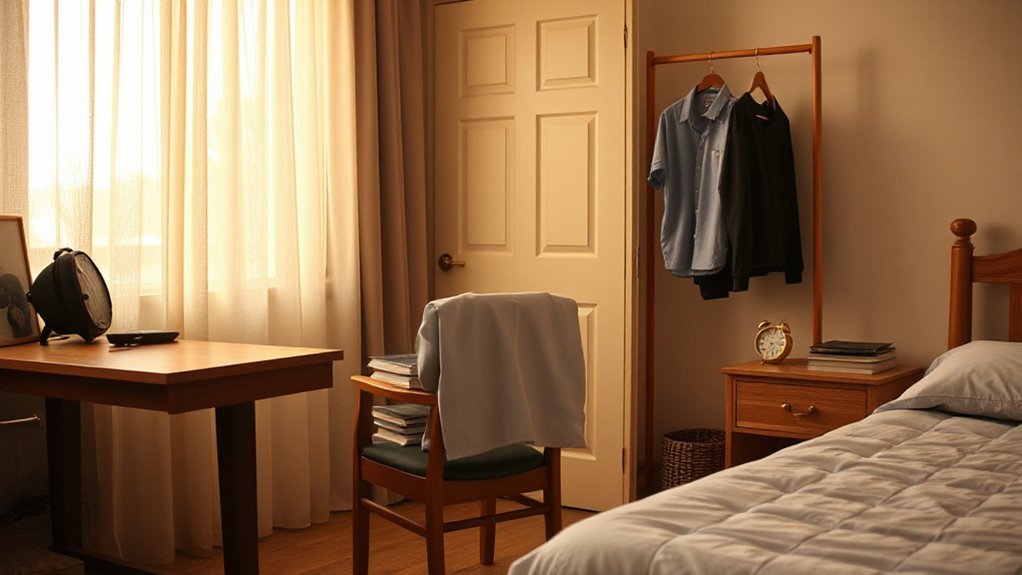
45 AM? You’re creating it the night before. Seriously.
Pack your lunches after dinner. Wash fruit, portion snacks, assemble sandwiches, store everything in the fridge. You’ll save 10–15 minutes tomorrow morning—and actually remember those permission slips.
Pack lunches after dinner. Wash fruit, portion snacks, assemble sandwiches. Save 10–15 minutes tomorrow. Actually remember those permission slips.
Lay out complete outfits the night before: pants, shirt, socks, shoes. All of it. No decisions at dawn. Better yet? Set your entire week’s outfits on laundry folding day. Done. Gone. Eliminated.
Have your kids pack their own backpacks with homework, library books, supplies, whatever they need. They own it. Place packed backpacks on your “launch pad”—that designated spot by the door where everything waits, ready to go.
Prep grab-and-go breakfasts, too. Overnight oats, pre-portioned yogurt cups, breakfast burritos. Your mornings transform from panic mode to smooth operation. That’s what preparation buys you: actual peace.
Set Sleep Goals and Build a Consistent Bedtime Routine

All that nighttime prep work—the packed lunches, the laid-out clothes, the backpacks staged by the door—won’t mean much if your kids are shuffling through mornings like zombies. Here’s the truth: everything hinges on solid sleep. You’ve got to work backward from wake-up time. School-age kids need 9–11 hours; teens need 8–10. Do the math, set bedtime accordingly, and stick with it every single day—yes, weekends too. Your circadian rhythm thrives on consistency.
Now, build a routine that actually works:
- Turn off screens 60 minutes before bed; swap them for reading, journaling, or deep breathing to dial down the overstimulation
- Create a short, predictable wind-down sequence: teeth, pajamas, 10 minutes of calming activity, lights out
- Optimize the bedroom—cool temperature, blackout curtains, maybe a white noise machine—to signal sleeptime to their brains
Anchor these habits, and mornings transform. You’re not just helping them sleep better; you’re building the foundation for smoother, less chaotic starts.
Pick the Right Checklist for Your Kid’s Age
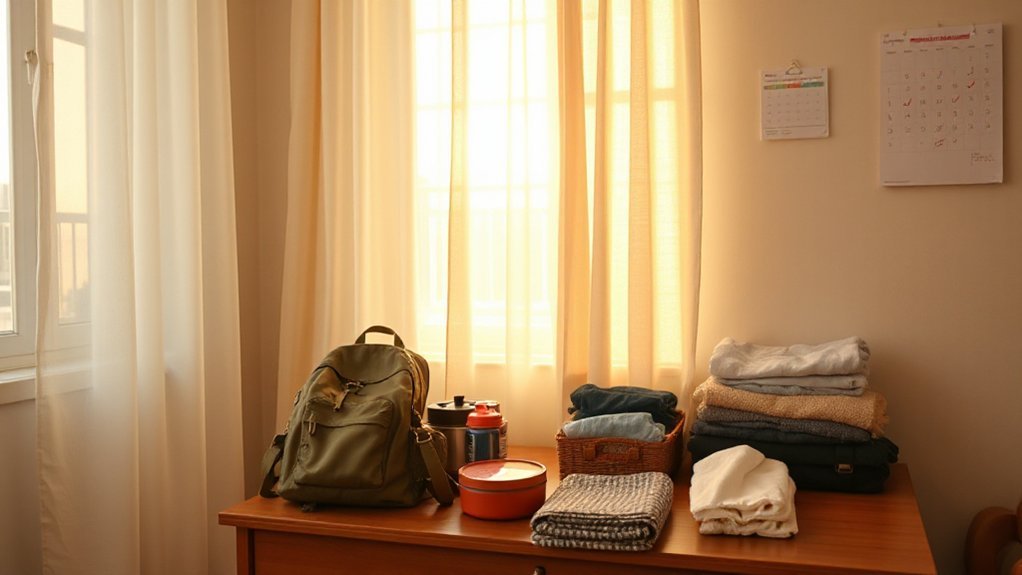
Because your kid’s age shapes how they learn and what they’ll actually stick with, the checklist you pick matters way more than you’d think.
Younger kids—preschool through kindergarten—need picture-based charts with 4–6 laminated cards and sticker rewards. They can’t read yet, so visuals do the heavy lifting. For elementary students in grades 1–5, go simple: written checklists with 6–8 clear steps like “get dressed,” “brush teeth,” “pack lunch.” One page, one magnet board, done.
Middle schoolers crave control. Let them customize their checklists, add tasks, mark priorities, even include timing. You’re building independence here. High schoolers? Keep it minimal—just 3–5 focus items: wake up, pack charger, confirm assignments. They don’t need micromanaging.
Make everything reusable and visible. Laminate it, use movable blocks, create a command center. Your kid self-checks; you scan fast. That’s the whole point.
Create a Family Command Center and Calendar System
Your kid’s got a checklist now—great. But here’s the thing: they’ll still forget. That’s where your family command center comes in, and it’s honestly a game-changer.
Set up a central hub in your kitchen or mudroom. This isn’t complicated:
- Mount a large paper wall calendar where everyone can see weekly activities and commitments at a glance
- Add a magnet board or whiteboard for quick notes, reminders, and daily assignments
- Designate a dedicated spot for backpacks, keys, permission slips, and lunchboxes
Assign each child a unique color on the calendar—matching labels on their stuff too. This makes their schedule instantly recognizable.
Here’s the rhythm: hold a weekly family sit-down to populate the calendar together. Everyone gets it. Then, make checking the calendar part of your morning routine so kids know exactly what’s happening after school. Keep commonly used items stored nearby. Your command center becomes the family’s nervous system. It works because everyone trusts it.
Build Morning Momentum With Connection and Rewards
You can’t force momentum. You build it through connection and celebration.
Start your mornings with physical presence—one long hug or 30–60 seconds of hand-holding, then two deep breaths together. This simple ritual calms everyone’s nervous system before the day even starts.
Next, exchange one genuine positive statement. “I’m proud of you.” “What’re you looking forward to today?” These moments wire your kids’ brains toward optimism and strengthen your bond.
Now play music. A family playlist transforms routine into movement, into dance, into joy. Let everyone request songs—this gives them agency and lifts the whole vibe.
Finally, tie small rewards to completed tasks: stickers, extra story time, screen privileges. Immediate incentives motivate consistent action without feeling punitive.
Layer these practices together—affirmations, music, physical touch, praise, rewards—and you’re not just moving through morning. You’re creating momentum. You’re building a foundation where your family actually wants to start the day together.
Frequently Asked Questions
What Is the Perfect School Morning Routine?
You’ll nail your mornings by prepping the night before—lay out clothes, pack backpacks, refrigerate lunches. Set a bedtime matching your sleep needs (9–11 hours for kids, 8–10 for teens). Create a visual checklist with timed blocks: dress in ten minutes, eat in fifteen. Keep breakfast simple—overnight oats, yogurt, grab-and-go stuff. Skip screens when you wake; open curtains, play music, move around. You’ve got this.
What Is the Best Morning Routine for Students?
Your best morning routine builds momentum like dominoes falling just right. You’ll prep everything—lunch, outfit, backpack—the night before at your launch pad. Wake gently, grab 10–20 minutes to ease into, then tackle your checklist: teeth, dressed, eaten. No screens before bed or breakfast; overnight oats and yogurt save you. You’re aiming for 9–11 hours sleep, so work backward from your alarm. Simple? Yes. Game-changing? Absolutely.
So
You’ve built your roadmap—now you’re the architect of smoother mornings. Think of your routine as a bridge: the night before’s foundation holds steady, sleep anchors the structure, your checklist’s framework supports each step, the command center organizes the landscape, and connection fuels the crossing. You’re not just moving through mornings anymore; you’re constructing something that actually works. Your kids’ll feel it, too. That’s real.







Leave a Comment