
Your best stretching app depends on what you’re actually fixing—daily flexibility, athletic performance, or a specific skill like handstands. Down Dog and Bend offer customizable routines on a budget; GOWOD targets sport-specific needs with a 14-day trial; Pliability nails advanced ROM tracking for serious athletes. Start with a free trial, test the instruction style, and commit to just 5–10 minutes, two or three times weekly. You’ll discover which approach genuinely sticks when you see what happens next.
Key Takeaways
- Choose apps matching your specific goal: athlete performance, daily habits, or skill-building like handstands.
- Compare trial periods before committing—GOWOD offers 14 days, while others provide 7-day free trials.
- Verify offline video downloads and device compatibility to ensure accessibility during travel or without internet.
- Select apps with ROM measurement for flexibility tracking or sport-specific protocols for performance gains.
- Start with 5–10 minute sessions two to three times weekly, using streak tracking for consistency.
What to Look For in a Stretching App: Key Features Explained
Progress tracking changes everything. You’ll want ROM reports, streak counters, or dashboards showing your actual gains—not just guessing whether you’re improving. Customization matters too. Can you adjust session length, difficulty, or music? Down Dog offers 60,000+ configurations because your 10-minute morning routine looks different from your evening deep stretch.
Finally, check the practical stuff: free trials (7–14 days), pricing ($9–$20 monthly), and whether videos work offline. These details separate apps that fit your life from ones gathering dust on your phone.
The 7 Best Stretching Apps Ranked by Fitness Level
Since you’re probably juggling different fitness goals—whether you’re chasing CrossFit gains, learning handstands, or just trying to touch your toes—picking the wrong app wastes both time and money.
Here’s the truth: your fitness level matters. A lot.
If you’re serious about performance, Pliability and GOWOD deliver advanced ROM measurement and sport-specific protocols. CrossFit athletes? They thrive here. For calisthenics skills like muscle-ups and planches, DIE RINGE offers 800+ exercises with personalized, science-backed progressions.
Starting out or want daily stretches? Bend and Stretch nail it—gentle, customizable, no pressure. Prefer yoga-based flexibility? Down Dog gives you 60,000+ configurable sessions, though you’ll need solid internet.
Want structure and community? STRETCHIT combines classes, challenges, and downloadable programs across yoga, gymnastics, and Pilates.
Your move: match your level, not just your budget. The right app fits *your* journey.
Comparing Costs: Free, Freemium, and Subscription Models
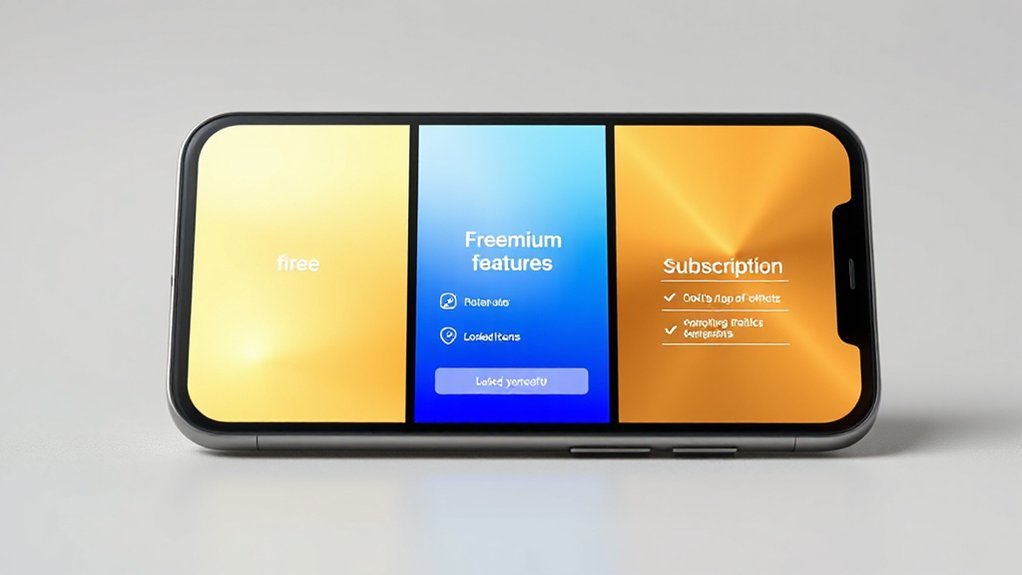
Most stretching apps dangle a free tier in front of you—download, try it, get hooked—then slide the real content behind a paywall. Here’s what you’re actually paying for:
- Freemium basics: Apps like Down Dog, Bend, and GOWOD let you stretch free, but lock advanced routines and personalized programs behind subscriptions
- Trial periods: STRETCHIT and Pliability offer 7-day trials; GOWOD gives you 14 days to test premium features before committing
- Monthly vs. annual: Expect $9.99–$19.99 monthly, but annual plans slash costs dramatically—Down Dog drops to $59.99/year, Pliability to $179.95/year
- Surprise pricing: Watch for fluctuating discounts and checkout surprises; Bend’s annual price shifts from $40 to $24 during sales
The frustration? Niche apps like Pliability and STRETCHIT charge premium rates for specialized content. You’re paying extra for athlete-focused routines, not just basic stretching. Compare annual plans—they’re where real savings hide.
Which App Matches Your Goals: Decision Framework
Now that you’ve got the pricing picture down—freemium traps, annual discounts, all of it—comes the real question: which app actually works for *you*?
Start with your real goal. Chasing handstand holds or muscle-ups? DIE RINGE‘s your lane—sports-science programming, progressive strength, under ten bucks monthly. Want yoga, pilates, gymnastics all mixed together? StretchIt delivers that variety with downloadable classes you’ll actually use offline.
Athletes tracking flexibility gains need Pliability’s ROM measurement and 1,700+ videos. Simple habit-builder seeking five-minute daily stretches? Bend keeps it cheap, motivating, posture-focused.
Here’s the honest move: test free trials first. Check if offline downloads matter to you. Notice whether you prefer guided classes or self-directed work. Your goals aren’t static—they shift. Pick something that grows with you, not against you.
Getting Started: How to Pick and Commit to Your App
Most people grab an app, feel motivated for three days, then forget it exists. You won’t be that person—not if you’re intentional now. Here’s how to actually stick with it:
Most people grab an app and forget it exists. You won’t—not if you’re intentional now.
- Start ridiculously small. Pick 5–10 minutes, two or three times weekly. You’ll build momentum without burning out, and consistency beats perfection every single time.
- Use free trials strategically. Test the instruction style, pacing, and routine length before committing money. Most apps offer weeklong or two-week trials—leverage them.
- Enable reminders and streak tracking. Let the app nudge you. Watching that streak grow? It’s weirdly powerful motivation.
- Check practical compatibility first. Verify offline access, device support, and whether you prefer videos or illustrations. Friction kills habits fast.
Pick one app that genuinely matches your goal, commit to the trial period, and notice how you actually feel after two weeks. That’s your signal.
Frequently Asked Questions
What Is the Best Free Stretching App?
Stretch Exercise is your go-to—it’s genuinely free and won’t nag you constantly. You get guided routines with voice and video walkthroughs, no paywall lurking behind features. Yeah, ads pop up, but they’re the trade-off for solid stretching without dropping cash. It’s straightforward, accessible, and honestly? Perfect for building a daily habit without commitment jitters or subscription guilt.
Is Stretchit Worth It?
StretchIt’s worth it if you’re serious about flexibility gains. Say you’re doing yoga three times weekly—you’ll appreciate their 45-minute deep-dive classes and downloadable lessons for offline practice. Yeah, $19.99 monthly stings compared to free apps, but you’re getting structured programs, progress tracking, and genuinely advanced content. Skip it if you’re just dabbling or broke; grab it if you’re committed and want real progression.
Is the Stretchit App Free?
StretchIt isn’t free long-term, but you’ve got a solid 7-day trial to test-drive everything without paying a dime. After that? You’re looking at $19.99 monthly, $99.99 for six months, or $159.99 yearly. No permanent free tier exists once your trial wraps up. Yeah, it’s pricier than some competitors, though occasional promotions and regional pricing might sweetly lower that cost. Worth exploring during that trial week, though.
So
You’ve got the apps. You’ve got the features. You’ve got the price breakdown. But here’s the thing—you won’t see results until you actually start stretching, not just downloading. Pick one. Commit for two weeks. Your muscles don’t care which app you chose; they care that you’re showing up, breathing deeply, holding those poses. That’s when the magic happens. So what’re you waiting for?







Leave a Comment